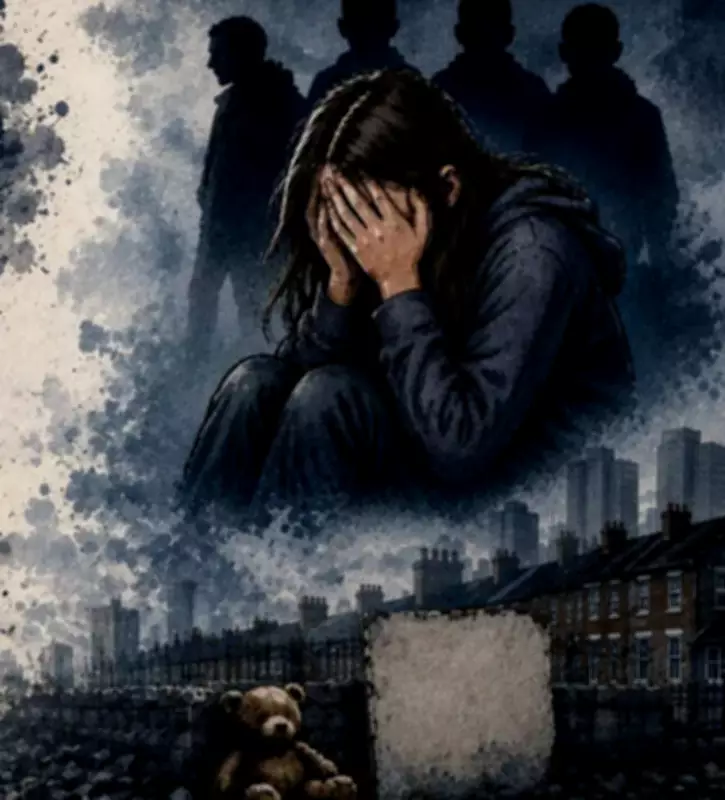
An independent inquiry into what has become known as the "grooming gang" scandal has reignited political controversy in Britain. The investigation follows claims that organised child sexual exploitation networks across the country were overwhelmingly made up of Pakistani-origin men.
New Report Sparks Debate
The report, titled the "Rape Gang Inquiry" and commissioned by parliamentarian Rupert Lowe, argues that British institutions failed for decades to address the scale of the abuse. This failure, it claims, was due to concerns about race, religion and community relations.
Key Findings
The inquiry asserts that a disproportionate number of perpetrators in these networks were of Pakistani heritage. It highlights how authorities hesitated to act decisively, fearing accusations of racism or inflaming community tensions. The report calls for a more robust approach to tackling child sexual exploitation, regardless of the perpetrators' backgrounds.

The controversy has revived debates about multiculturalism, policing, and the balance between cultural sensitivity and child protection. Critics of the report argue that it risks stigmatising an entire community, while supporters insist that addressing the uncomfortable truth is essential for justice.
Political reactions have been sharply divided. Some leaders have called for a national debate on the issue, while others warn against generalisations that could fuel discrimination. The inquiry's findings are expected to influence policy discussions on safeguarding and law enforcement practices in the UK.
As the nation grapples with these revelations, the focus remains on ensuring that victims receive justice and that systemic failures are rectified to prevent future abuse.