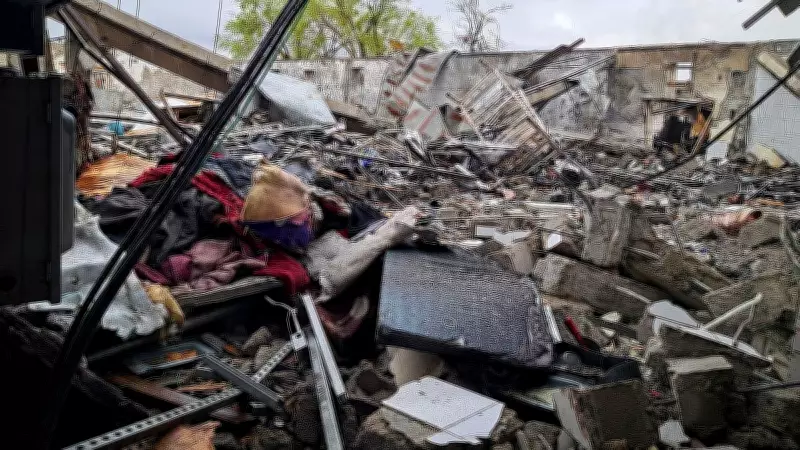
Pakistan Military Identifies Bombed Kabul Site as Drone and Ordnance Storage Facility
In a significant development, the Pakistan military has officially stated that the location targeted in recent airstrikes in Kabul was directly linked to the storage of drones and military ordnance. This announcement comes amidst heightened tensions between Pakistan and Afghanistan, following cross-border military actions that have raised concerns over regional stability.
Details of the Military's Assertion
The Pakistan Armed Forces released a detailed statement clarifying the nature of the bombed site in the Afghan capital. According to their intelligence reports, the facility was being utilized as a hub for storing unmanned aerial vehicles (UAVs), commonly known as drones, along with various types of ordnance, including ammunition and explosives. This revelation aims to justify the airstrikes as a defensive measure against perceived threats emanating from Afghan territory.
The military emphasized that the operation was conducted based on credible evidence suggesting the site's involvement in activities that could potentially harm Pakistan's security interests. They further noted that such storage facilities are often used by non-state actors to launch cross-border attacks, which have been a persistent issue in the region.

Background and Escalating Tensions
The airstrikes in Kabul are part of a broader pattern of escalating hostilities between Pakistan and Afghanistan. In recent months, there have been multiple incidents of cross-border shelling and military engagements, with both sides accusing each other of harboring militant groups. The Pakistan military has repeatedly expressed concerns over safe havens in Afghanistan being used to plan and execute attacks on Pakistani soil.
This latest incident underscores the fragile security dynamics in South Asia, where historical grievances and ongoing conflicts continue to fuel instability. The targeting of a site allegedly storing drones highlights the evolving nature of warfare in the region, with increased reliance on technology and asymmetric tactics.
Regional and International Implications
The Pakistan military's claims have sparked reactions from various stakeholders. Afghan authorities have yet to issue an official response, but previous statements have denied any involvement in hostile activities against Pakistan. The international community, including the United Nations and neighboring countries, is closely monitoring the situation, given its potential to exacerbate existing conflicts and humanitarian crises.
- The use of drones in regional conflicts has become a contentious issue, with concerns over civilian casualties and sovereignty violations.
- Cross-border airstrikes raise questions about the adherence to international law and diplomatic protocols in conflict resolution.
- The incident may impact ongoing peace efforts in Afghanistan, which are already fraught with challenges.
Analysis and Future Outlook
Experts suggest that the Pakistan military's disclosure is aimed at legitimizing its actions and garnering domestic and international support. However, it also risks further straining relations with Afghanistan, complicating bilateral dialogues and cooperation on security matters. The storage of drones and ordnance, if verified, points to a sophisticated network of militant logistics that could undermine regional peace initiatives.
Looking ahead, the situation calls for enhanced diplomatic engagement and confidence-building measures between Pakistan and Afghanistan. Both nations face common threats from terrorism and extremism, making collaboration essential for long-term stability. The international community may play a role in facilitating talks and ensuring transparency in investigations into the bombed site.
In conclusion, the Pakistan military's assertion regarding the Kabul site adds a new dimension to the ongoing cross-border tensions. As facts continue to emerge, the focus will remain on verifying claims, preventing escalation, and fostering a peaceful resolution to conflicts in the region.