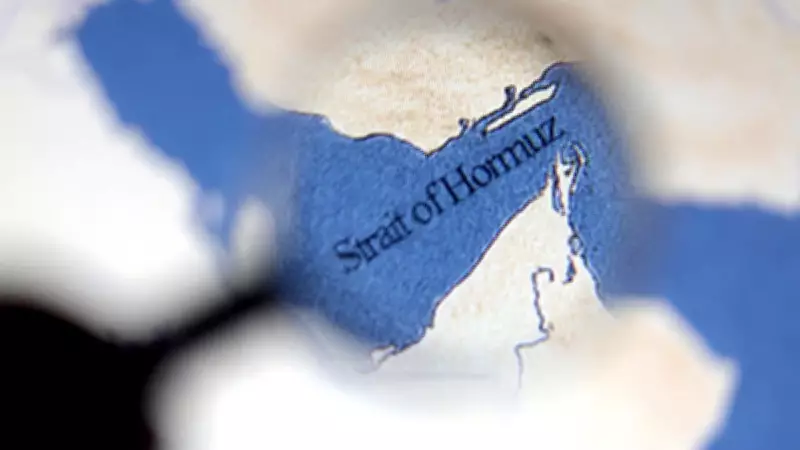
Massive Energy Crisis Unfolds in Strait of Hormuz
A severe maritime disruption has gripped the Strait of Hormuz, with over 17 million tonnes of oil, liquefied natural gas (LNG), and liquefied petroleum gas (LPG) currently stranded in this vital waterway. This bottleneck is causing significant delays in global energy shipments and heightening geopolitical risks in an already volatile region.
Details of the Stranded Cargo
The stranded cargo includes a mix of crude oil, refined petroleum products, LNG, and LPG, totaling more than 17 million metric tonnes. This volume represents a substantial portion of daily energy transit through the strait, which is a crucial chokepoint for global oil and gas supplies. The disruption stems from logistical issues, heightened security concerns, and potential geopolitical tensions affecting maritime operations.
Impact on Global Energy Markets
The blockage is expected to have immediate repercussions on global energy prices and supply chains. With the Strait of Hormuz handling approximately 20-30% of the world's oil trade, any prolonged disruption could lead to price spikes and supply shortages in key markets, including Asia, Europe, and North America. Energy analysts warn that this situation may exacerbate existing inflationary pressures and economic uncertainties worldwide.

Geopolitical Implications
The crisis occurs against a backdrop of ongoing tensions in the Middle East, involving regional powers and international stakeholders. The Strait of Hormuz is a strategic flashpoint, and such disruptions often trigger diplomatic and military responses. This incident underscores the fragility of global energy security and the need for diversified supply routes to mitigate risks.
Response and Mitigation Efforts
Authorities and energy companies are reportedly working to resolve the blockage, but challenges persist due to the complex nature of maritime logistics and security protocols. Alternative shipping routes are being considered, but they may not fully compensate for the capacity lost in the strait. Stakeholders are calling for enhanced cooperation and contingency planning to prevent future crises.
Long-Term Consequences
If unresolved, this disruption could have lasting effects on energy trade patterns, prompting countries to accelerate investments in renewable energy and alternative transport corridors. It also highlights the urgent need for international frameworks to manage maritime chokepoints and ensure stable energy flows in an increasingly interconnected world.