Pakistan Initiates Major Military Operation Amid Rising Border Tensions with Afghanistan
In a significant development that underscores the escalating security situation in South Asia, Pakistan has officially launched a new military campaign named Operation Ghazab Lil Haq. This operation is specifically targeted at militant groups operating along the volatile and porous border shared with Afghanistan. The move comes as part of Pakistan's intensified efforts to curb cross-border terrorism and secure its frontier regions, which have long been hotspots for insurgent activities.
Background and Context of the Border Conflict
The border between Pakistan and Afghanistan, known as the Durand Line, has historically been a region of contention and instability. Recent months have witnessed a sharp increase in skirmishes and attacks, with both sides accusing each other of harboring and supporting militant factions. The deteriorating security environment has prompted Islamabad to take decisive action, leading to the announcement of Operation Ghazab Lil Haq. This operation is seen as a direct response to the growing threats emanating from the Afghan side, including alleged sanctuaries for groups like the Tehrik-i-Taliban Pakistan (TTP).
Details and Objectives of Operation Ghazab Lil Haq
Operation Ghazab Lil Haq is a comprehensive military initiative aimed at dismantling militant networks and preventing infiltration across the border. Key objectives include:

- Neutralizing terrorist hideouts in the border areas through targeted airstrikes and ground operations.
- Enhancing border security measures to curb the movement of militants and illicit goods.
- Collaborating with local communities to gather intelligence and foster support for counter-terrorism efforts.
- Addressing the root causes of militancy by promoting socio-economic development in the affected regions.
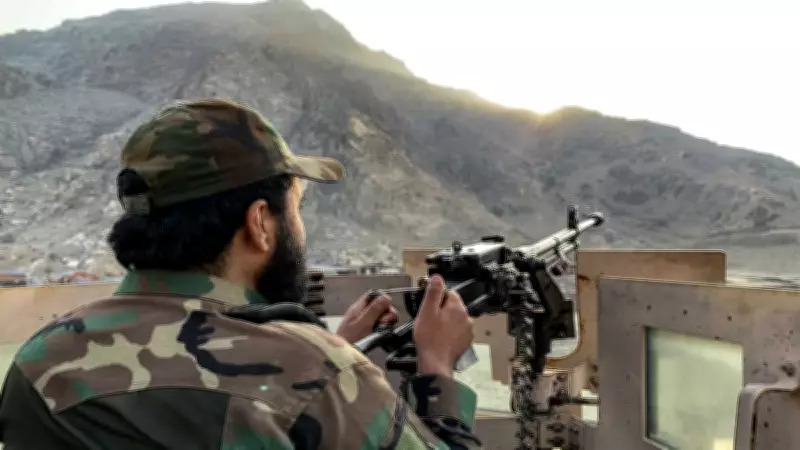
The operation involves multiple branches of the Pakistani military, including the army, air force, and paramilitary forces, working in coordination to achieve these goals. Officials have emphasized that the campaign is defensive in nature, focused on protecting Pakistani sovereignty and citizens from external threats.
Regional Implications and International Reactions
The launch of Operation Ghazab Lil Haq has significant implications for regional stability. Afghanistan has yet to issue an official response, but tensions are expected to rise as the operation unfolds. The international community, including neighboring countries and global powers, is closely monitoring the situation. There are concerns that this escalation could further destabilize an already fragile region, impacting efforts for peace and reconciliation in Afghanistan. Diplomatic channels are likely to be activated to prevent a full-blown conflict, with calls for dialogue and de-escalation from various stakeholders.
Historical Precedents and Future Outlook
This is not the first time Pakistan has conducted military operations along its border with Afghanistan. Previous campaigns, such as Operation Zarb-e-Azb and Operation Radd-ul-Fasaad, have targeted militant groups with varying degrees of success. However, Operation Ghazab Lil Haq represents a renewed and more aggressive approach in the face of persistent challenges. The future outlook remains uncertain, with potential outcomes ranging from a temporary reduction in violence to a prolonged conflict that could draw in regional actors. Experts warn that sustained military action alone may not resolve the underlying issues, highlighting the need for a holistic strategy that includes political and economic dimensions.
As the situation develops, all eyes are on the Pakistan-Afghanistan border, where Operation Ghazab Lil Haq is set to shape the security dynamics of the region in the coming months. The success of this operation will depend on effective execution, regional cooperation, and addressing the complex socio-political factors that fuel militancy in the area.