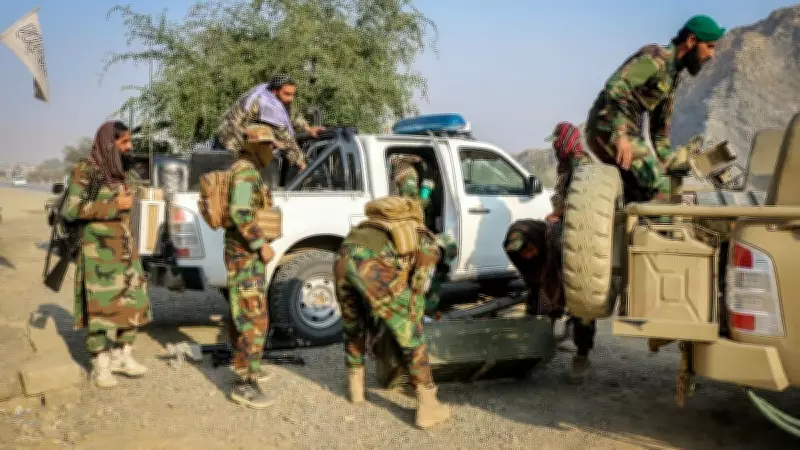
Pakistan's Military Operations Result in Heavy Casualties Among Afghan Taliban and Allied Groups
In a significant escalation of regional conflict, Pakistan has reported that its recent military strikes have killed about 300 personnel from the Afghan Taliban and its allied terrorist organizations. This development underscores the ongoing tensions between Pakistan and militant groups operating along its borders, with implications for regional stability and international security efforts.
Details of the Military Strikes and Casualties
The operations, conducted by Pakistan's armed forces, targeted militant hideouts and strongholds in border regions. According to official statements, the strikes were precise and aimed at dismantling terrorist networks that have been involved in cross-border attacks and insurgency activities. The casualties include members from various allied groups that collaborate with the Afghan Taliban, highlighting the complex web of militant affiliations in the area.
Key aspects of the operations include:

- Targeted strikes on militant positions in remote areas.
- Use of advanced military technology to minimize collateral damage.
- Coordination with intelligence agencies to identify high-value targets.
Regional Implications and International Reactions
This military action comes amid heightened regional tensions, with Pakistan facing pressure to curb militant activities that threaten both domestic security and neighboring countries. The Afghan Taliban, which regained control of Afghanistan in 2021, has historical ties to various terrorist groups in the region, making this strike a sensitive issue in diplomatic circles.
International observers have noted that such operations could impact peace efforts in Afghanistan and relations between Pakistan and the Taliban-led government. There are concerns about potential retaliatory attacks and the broader implications for counter-terrorism cooperation in South Asia.
Background and Context of the Conflict
Pakistan has long been a key player in regional security dynamics, with its military engaged in operations against militant groups for decades. The Afghan Taliban and its allies have been accused of using Pakistani territory for planning and launching attacks, leading to periodic clashes and military responses. This latest incident is part of a series of actions aimed at asserting control over border areas and preventing spillover effects from Afghanistan's instability.
Factors contributing to the conflict include:
- Historical support for militant groups during past conflicts.
- Geopolitical rivalries involving regional powers.
- Ongoing challenges in border management and security.
As the situation evolves, analysts warn that continued military engagements could exacerbate tensions and hinder long-term peace initiatives. The death toll of 300 militants marks one of the deadliest episodes in recent months, signaling a potentially more aggressive stance by Pakistan in dealing with cross-border threats.