Pakistan's top military commander has issued a stark warning, declaring that any incursion into the nation's sovereign territory will trigger an immediate and powerful armed response. The statement underscores the country's heightened state of alert regarding its borders.
Munir's Stern Warning at GHQ
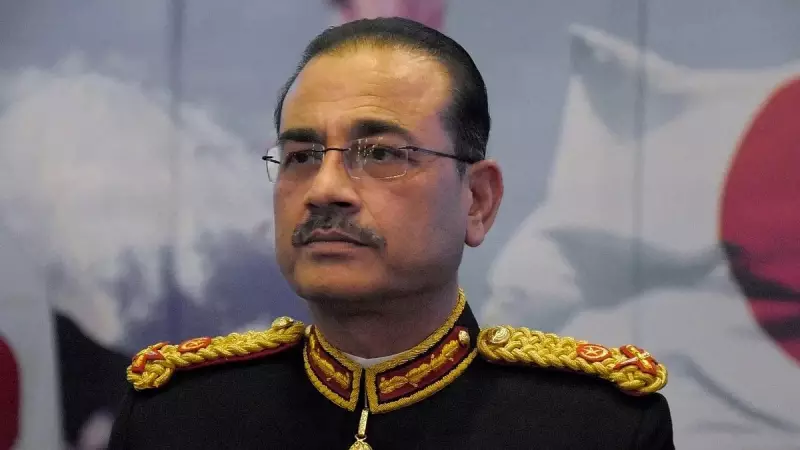
General Asim Munir, the Chief of Army Staff (COAS), delivered this firm and decisive message during a significant interaction at the army's central command. The event was the 18th National Workshop on Balochistan, held at the General Headquarters (GHQ) in Rawalpindi.
The army's media wing confirmed the details in an official statement released to the press. General Munir's comments were directed at the participants of the workshop, which focuses on the strategic and socio-economic dynamics of the Balochistan province.

Context and Timing of the Statement
The public declaration was made on 31 December 2025. While the statement did not name any specific country or actor, it comes amid persistent regional tensions and historical concerns over stability in the border regions, particularly Balochistan.
The workshop itself is a key platform for discussing internal security and development challenges. By choosing this forum, the Army Chief linked the imperative of national territorial defense directly with internal cohesion and provincial stability.
Implications for Regional Security
This unambiguous stance from the Pakistani military leadership signals a clear red line for its neighbors and the international community. The promise of a firm and decisive response is a standard element of national security doctrine, but its public reiteration serves as a strategic communication tool.
Analysts suggest such statements aim to achieve multiple objectives:
- Deterrence: To discourage any potential adversarial actions along Pakistan's frontiers.
- Internal Messaging: To project strength and resolve to a domestic audience, reinforcing the army's role as the guardian of national sovereignty.
- Political Alignment: To present a unified national security posture to both allies and rivals.
The development will be closely monitored by regional security experts, as it adds to the complex tapestry of diplomatic and military posturing in South Asia. The focus on Balochistan also highlights the internal-external security nexus that Pakistan's establishment frequently emphasizes.