

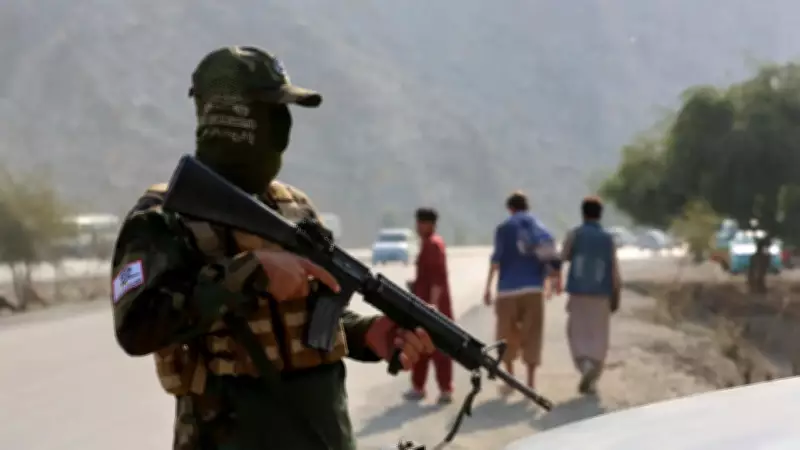
Pakistan Resumes Cross-Border Artillery Attacks on Afghanistan After Eid Truce Expires
Pakistan has once again launched military assaults along its volatile border with Afghanistan, immediately after a temporary ceasefire brokered for the Eid al-Fitr holiday came to an end. The renewed hostilities have resulted in the deaths of at least two civilians and left several others injured, according to reports from Afghan officials.
Heavy Artillery Fire and Retaliatory Response
Afghan authorities confirmed to the Associated Press that Pakistani forces fired heavy artillery shells into the Narai and Sarkano districts of Afghanistan's Kunar province. This aggressive action prompted immediate retaliatory fire from Afghan border troops, creating a dangerous escalation in cross-border tensions.
Kabul has claimed that its forces successfully destroyed multiple Pakistani military posts during the exchange, though these assertions remain unverified by independent sources. Meanwhile, Pakistan has countered by accusing Afghan forces of initiating the clashes, creating conflicting narratives about responsibility for the violence.

Background of the Temporary Ceasefire
The brief truce had been established around Eid al-Fitr following a series of deadly Pakistani airstrikes inside Afghan territory. During those earlier attacks, Kabul alleged that civilian targets were hit, including a rehabilitation center, while Pakistan maintained it was targeting militant infrastructure used by anti-Pakistan groups.
The ceasefire provided only temporary relief, with hostilities resuming almost immediately after the agreed-upon period ended, suggesting deep-seated tensions that diplomatic efforts have failed to resolve.
Additional Security Challenges and Accusations
Complicating the border situation further, the Tehrik-e-Taliban Pakistan (TTP) has resumed attacks inside Pakistan following the expiration of its own ceasefire agreement with Pakistani authorities. This development adds another layer of instability to an already volatile region.
Islamabad continues to accuse Afghanistan of providing shelter and support to TTP militants, allegations that Kabul consistently denies. Despite these denials, the cross-border hostilities show little indication of easing, with both sides maintaining defensive postures and trading accusations.
Regional Implications and Ongoing Tensions
The renewed fighting along the Pakistan-Afghanistan border occurs against a backdrop of broader regional instability. While unrelated to the Middle East conflicts mentioned in some reports, these border clashes represent a significant security challenge for both nations and potentially for regional stability.
With civilian casualties mounting and diplomatic channels apparently ineffective, the situation remains dangerously volatile. Both countries face domestic pressures to respond forcefully to perceived provocations while managing complex relationships with militant groups operating in the border regions.






