

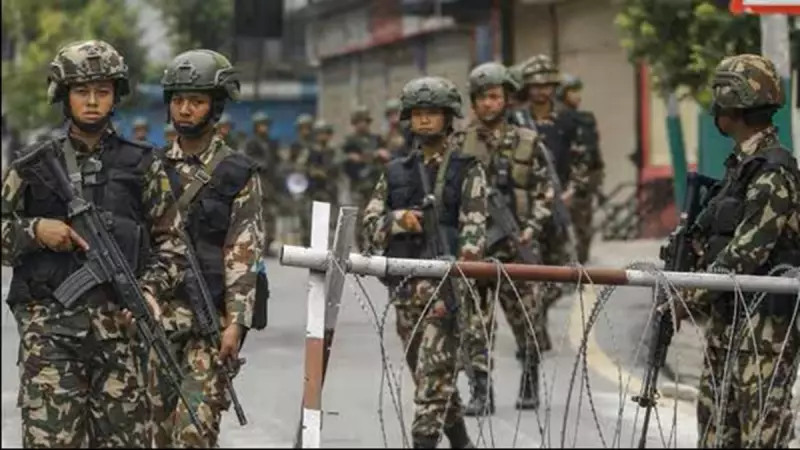
Authorities in Nepal have been forced to extend a strict curfew in the crucial border town of Birgunj, as religious tensions continue to simmer following a shocking act of vandalism targeting a mosque. The incident, which occurred on the eve of a major Hindu festival, has thrown the region into a state of high alert, raising concerns about communal harmony.
Incident Sparks Immediate Unrest and Curfew
The situation escalated rapidly after unidentified individuals vandalized a mosque located in the Parsa district of Birgunj on Monday, January 5th. This act of desecration, which involved damaging religious property, immediately triggered outrage among the local Muslim community and led to spontaneous protests and gatherings.
In response to the rapidly deteriorating law and order situation, local administration officials imposed an indefinite curfew in the affected areas of Birgunj Metropolitan City starting from 8:30 PM on Monday. The primary goal was to prevent any further clashes or violence and to allow tempers to cool. Security forces, including police and armed personnel, were deployed in significant numbers to patrol the streets and enforce the curfew order.

The curfew was initially set to be reviewed on Tuesday morning, January 6th. However, assessing the continued tense atmosphere and potential for further unrest, the authorities made the decision to extend the restrictive orders. The extension underscores the seriousness with which officials are treating the incident and their determination to prevent any escalation into wider communal conflict.
A Delicate Context: Festival Eve and Historical Sensitivities
The timing of the vandalism is particularly sensitive. The attack took place on the eve of Paush Shukla Pratipada, a day marking the commencement of the 'Maghe Sankranti' festival, a significant period in the Hindu calendar. This confluence of events has added a layer of complexity to the situation, with authorities wary of any actions that could be misinterpreted or used to inflame passions along religious lines.
Birgunj is a strategically vital city for Nepal, serving as a major trade and transit point with India. The city has a diverse demographic makeup, and maintaining peace here is crucial for both internal stability and cross-border economic activity. Historical instances of communal tension in the region mean that even isolated incidents can quickly take on a larger dimension, requiring swift and firm administrative action.
Official Response and Calls for Calm
Local government and police officials have been actively engaged in managing the crisis. The extension of the curfew is a clear signal that the situation is not yet deemed fully under control. Security patrols remain intensified, and public gatherings are strictly prohibited in the curfew-bound zones.
Community leaders from various groups have been urged to appeal for peace and restraint among their followers. The broader appeal from authorities is for citizens to not fall prey to rumors and to allow the investigative process to take its course. An investigation into the vandalism is underway to identify and apprehend the perpetrators, whose motives remain unclear at this early stage.
The incident has cast a shadow over the festive period and serves as a stark reminder of the fragile nature of communal harmony. The extended curfew in Birgunj represents a necessary but disruptive measure, highlighting the challenges faced in balancing public safety with religious sensitivities. The coming days will be critical in determining whether calm can be fully restored and trust rebuilt between communities.






