Authorities in Nepal have taken decisive action to curb potential unrest in the southern town of Birgunj, imposing a strict ban on all forms of gatherings and protests. This move comes in the wake of heightened communal tensions that prompted significant security reinforcements in the area.
Security Clampdown in Parsa District
The District Administration Office in Parsa issued a formal prohibition order on Thursday, effectively outlawing any assembly, demonstration, or protest within the jurisdiction of the Birgunj Metropolitan City. The order, which cites the need to maintain public peace and order, grants security forces broad authority to take necessary action against violators. This decision was made under the existing Local Administration Act, reflecting the seriousness with which officials view the situation.
In a parallel move, the local administration has also enforced a curfew-like order under Section 144 of the Criminal Procedure Code. This restricts the movement of people and vehicles, effectively creating a security lockdown to prevent any large-scale congregation that could escalate into violence.

Background of the Communal Tensions
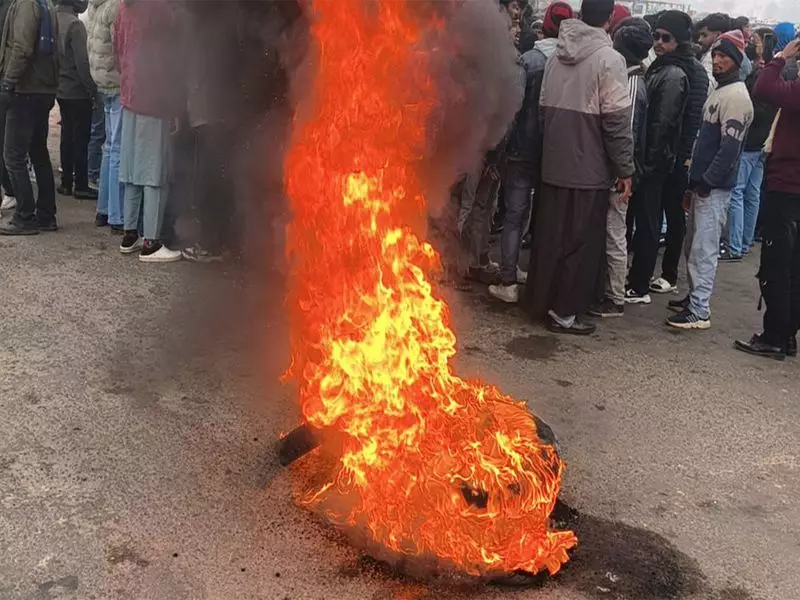
The restrictive measures were implemented following a specific incident that ignited communal friction. Tensions flared after a religious flag was reportedly torn in the Parsa Rural Municipality-1 area, an act that deeply offended local communities and led to immediate protests. In response to the escalating situation, security personnel were swiftly mobilized to the tense locations to act as a buffer and prevent clashes.
To bolster the local police, four companies of the Nepal Armed Police Force have been deployed in the Birgunj area. Their presence is intended as a strong deterrent and to provide immediate response capability should the situation deteriorate further. Authorities are closely monitoring developments and have urged community leaders and the public to exercise restraint and cooperate with the security directives.
Implications and Current Status
The immediate consequence of the ban is a visible halt to public political and social activities in Birgunj, a key commercial hub near the Indian border. The city's normal hustle has been replaced by a heavy security presence and restricted movement. The primary goal of the administration is to create a cooling-off period, allowing emotions to settle and providing a window for dialogue and de-escalation.
As of now, the security situation remains tense but under control due to the preemptive measures. Officials have not specified an end date for the prohibitory orders, indicating they will remain in force until the perceived threat to public order has sufficiently diminished. The incident underscores the fragile nature of communal harmony and the challenges faced by authorities in maintaining peace in diverse regions.
The coming days will be critical in determining whether the security clampdown successfully prevents violence and allows for a peaceful resolution to the underlying grievances that sparked the initial tensions.