NATO's Shocking Ukraine Troop Deployment Proposal Ignites Global Tensions
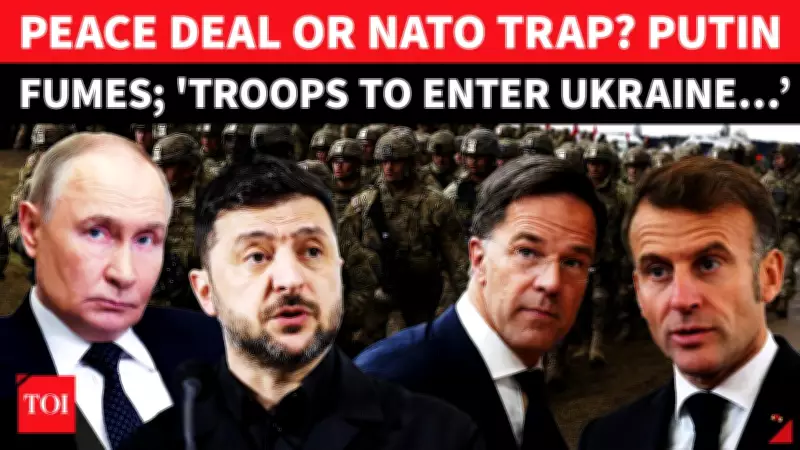
NATO Secretary General Mark Rutte has sent shockwaves across the international community by suggesting that foreign troops could be deployed to Ukraine immediately following the signing of a peace agreement. This controversial proposal, framed as providing "security guarantees" for the war-torn nation, has triggered immediate and sharp warnings from Moscow, which views any NATO military presence as direct foreign intervention.
Russia's Stern Warning Against Western Military Presence
As delicate ceasefire negotiations approach, Russian officials argue that Western troop deployments would effectively erase the critical line between legitimate peacekeeping efforts and outright provocation. Moscow maintains that such military movements would constitute an unacceptable escalation, potentially undermining any fragile peace agreement before it can take hold.
The Timing of NATO's Announcement
The timing of Rutte's statement is particularly significant, coming as diplomatic efforts intensify to find a resolution to the prolonged conflict. This development has injected new complexity into already challenging negotiations, with security arrangements emerging as a potential stumbling block to any comprehensive peace settlement.

Global Implications of the Security Guarantee Proposal
The NATO proposal represents a significant shift in Western strategy toward the Ukraine conflict. By suggesting ongoing military involvement even after hostilities cease, Western powers appear to be signaling their commitment to Ukraine's long-term security architecture. However, this approach risks provoking Russia into hardening its negotiating position.
Moscow's Perspective on Foreign Intervention
From Russia's viewpoint, the prospect of NATO troops stationed in Ukraine represents precisely the kind of Western encroachment that has fueled tensions for years. Russian officials have consistently argued that their military actions in Ukraine aim to prevent what they see as NATO expansion threatening their borders.
The Delicate Balance of Ceasefire Negotiations
As diplomatic efforts continue, the question of security arrangements has emerged as one of the most contentious issues. The NATO proposal complicates these negotiations by introducing the prospect of foreign military presence as a potential condition for peace, creating new challenges for mediators seeking common ground.
International Reactions and Concerns
The global community watches with concern as this development unfolds, recognizing that the success or failure of ceasefire talks could have far-reaching implications for European security and international relations. Many nations are urging caution and diplomatic restraint from all parties involved.
The Path Forward for Ukraine's Security
As discussions continue, the fundamental question remains: how can Ukraine's security be guaranteed without provoking further conflict? The NATO proposal represents one approach, but its implementation faces significant obstacles, particularly Russia's firm opposition to any Western military presence in what it considers its sphere of influence.