NATO Troops Withdraw From Iraq's Erbil Amid Escalating Iran-Linked Attacks
In a significant development highlighting the volatile security situation in the Middle East, Italy has initiated the withdrawal of its troops from a NATO-linked military base in Erbil, Iraq. This decision comes directly after a missile struck the facility, which is part of the broader NATO presence in the region. The attack has raised serious concerns about the safety of international forces and the potential for further escalation.
Drone Strike in Oman Claims Lives Amid Rising Tensions
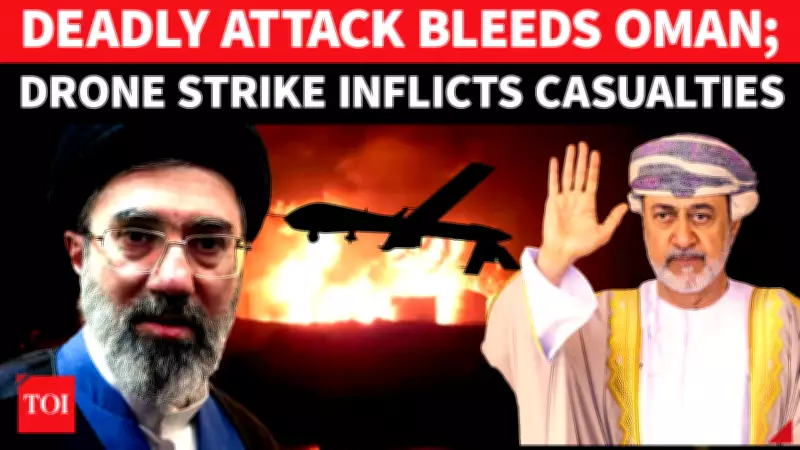
Simultaneously, authorities in Oman reported that two drones crashed in the port city of Sohar, resulting in the deaths of two individuals and injuries to several others. One of the drones fell in the Al-Wahi Industrial Area, causing casualties, while a second crash occurred without resulting in any fatalities. These incidents are unfolding against a backdrop of heightened regional tensions that began on February 28, following a series of US and Israeli strikes targeting Iran.
Iran has launched retaliatory drone and missile attacks aimed at Israel and countries hosting US military assets across the Middle East. This cycle of violence has created a precarious environment, with non-state actors and state-backed groups increasingly involved in cross-border strikes.

Regional Security Concerns Intensify
The withdrawal of NATO troops from Erbil marks a critical moment for regional security dynamics. The base in Erbil has been a key hub for international operations, and its targeting underscores the vulnerability of such installations. Analysts warn that this move could signal a broader reassessment of military deployments in the area, as nations weigh the risks against their strategic interests.
The drone attacks in Oman further complicate the security landscape, demonstrating the reach of conflict beyond traditional battle zones. Oman, known for its neutrality and diplomatic efforts, now finds itself impacted by the spillover effects of regional hostilities. The timing of these events suggests a coordinated or simultaneous escalation, though official investigations are ongoing to determine precise origins and motives.
Broader Implications for International Relations
This series of attacks and the subsequent troop withdrawal highlight the fragile state of international relations in the Middle East. The involvement of NATO forces adds a layer of complexity, as it draws Western military alliances directly into the crosshairs of regional conflicts. The situation calls for urgent diplomatic interventions to prevent further loss of life and stabilize the area.
As tensions continue to mount, the international community is closely monitoring developments, with concerns that any miscalculation could lead to a wider confrontation. The events in Erbil and Sohar serve as stark reminders of the interconnected nature of modern conflicts and the urgent need for de-escalation strategies.