Middle East Conflict Triggers Major Flight Disruptions at Delhi Airport
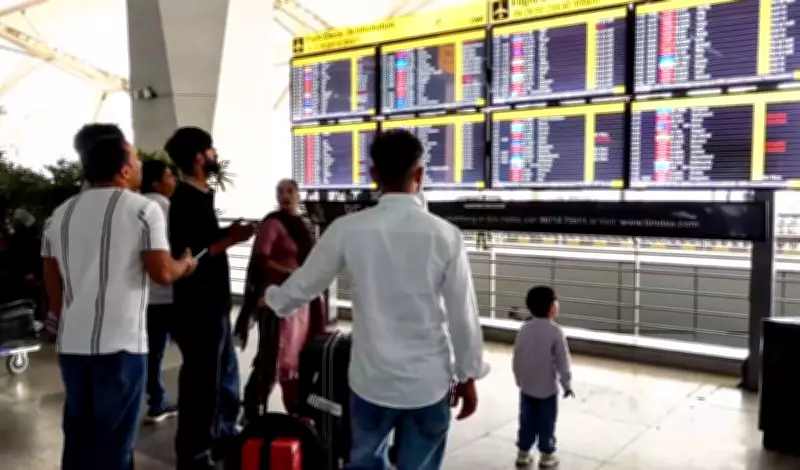
The ongoing conflict in the Middle East has severely impacted air travel operations at Delhi's Indira Gandhi International Airport, with authorities confirming the cancellation of 80 international flights. This disruption has created significant challenges for passengers and airline operators, highlighting the far-reaching effects of geopolitical tensions on global aviation.
Operational Challenges and Passenger Inconvenience
The flight cancellations have resulted in widespread inconvenience for travelers, many of whom were scheduled to fly to destinations across the Middle East, Europe, and other regions. Airport officials reported that the cancellations were necessary due to safety concerns and airspace restrictions imposed as a direct consequence of the escalating conflict. Airlines have been forced to adjust their schedules, leading to delays, rerouting, and logistical hurdles.
Passengers are advised to check with their respective airlines for updates on flight statuses and alternative arrangements. The airport management has set up additional help desks and customer service points to assist affected travelers, but the situation remains fluid as the conflict continues to evolve.

Impact on Aviation and Economic Implications
This incident underscores the vulnerability of international air travel to geopolitical instability. The cancellation of 80 flights represents a substantial operational setback for Delhi Airport, which is one of the busiest aviation hubs in Asia. The disruptions are expected to have ripple effects on connecting flights and cargo operations, potentially impacting trade and tourism.
Aviation experts note that such conflicts can lead to prolonged disruptions, affecting airline revenues and passenger confidence. The economic implications extend beyond immediate travel plans, influencing sectors reliant on air freight and international business travel.
Safety Measures and Future Outlook
In response to the crisis, airport authorities and airlines are implementing enhanced safety protocols and contingency plans. These include:
- Continuous monitoring of airspace conditions in conflict-affected regions.
- Coordination with international aviation bodies to ensure compliance with safety standards.
- Providing real-time updates to passengers through digital platforms and airport announcements.
The situation is being closely watched, with hopes for a swift resolution to minimize further disruptions. However, travelers should prepare for potential delays and cancellations in the coming days as the conflict persists.