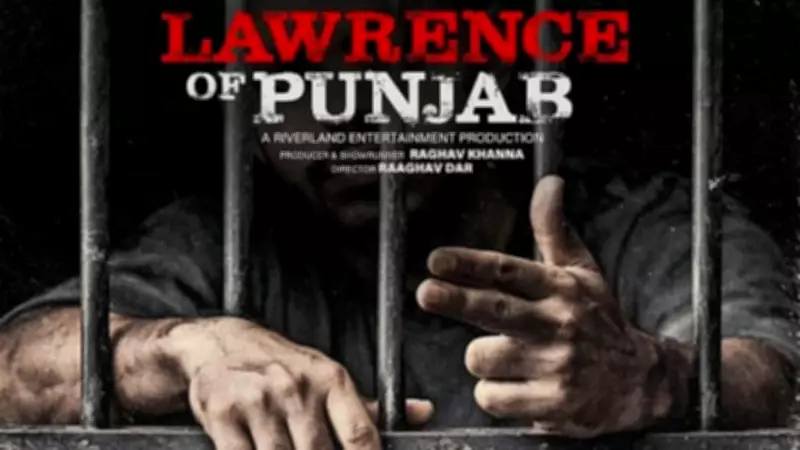
The Delhi High Court was informed on Monday that the Ministry of Information and Broadcasting (MIB) had blocked the release of the docuseries 'Lawrence of Punjab' due to concerns over public order and national security. The court was hearing a petition filed by the producers of the series, who challenged the government's decision.
Details of the Case
The docuseries, which focuses on the life of gangster-turned-politician Lawrence Bishnoi, was scheduled for release on an OTT platform. However, the MIB issued a directive blocking its release, citing potential disruption of public order and threats to national security. The producers argued that the series was based on publicly available information and did not violate any laws.
Government's Stand
Additional Solicitor General Chetan Sharma, representing the MIB, argued that the series could incite violence and disturb communal harmony. He stated that the government had the authority to block content that could threaten public order under the Information Technology Act and the Cinematograph Act.

Petitioner's Arguments
The petitioners' counsel contended that the series was a factual account and had been cleared by the Central Board of Film Certification (CBFC). They argued that the MIB's action was arbitrary and violated the right to freedom of speech and expression under Article 19 of the Constitution.
Court's Response
Justice Subramonium Prasad observed that the court would examine the matter in detail and listed the case for further hearing next week. The court directed the MIB to file a detailed affidavit explaining the reasons for the ban.
Background
Lawrence Bishnoi is currently in judicial custody in connection with several criminal cases, including the murder of singer Sidhu Moosewala. The docuseries reportedly explores his rise from a small-time criminal to a prominent figure in the underworld.
The case has sparked a debate on censorship and the limits of free speech in India. The producers have expressed hope that the court will allow the release of the series, emphasizing its educational value.