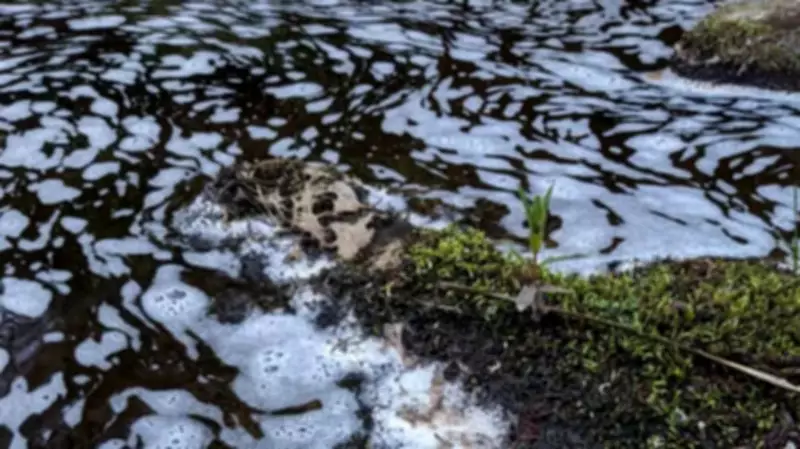
In a significant environmental disaster, numerous fish, eels, and birds have died in Knockando Burn, a tributary that flows into the River Spey in Scotland, over the past few days. Experts suspect that a chemical compound entered the water, polluting nearly a mile of the watercourse and causing severe harm to the ecosystem during the peak fishing season.
Investigation Underway
Media reports from the BBC and information from the Scottish Environment Protection Agency (SEPA) have revealed initial details about the incident. SEPA officials are investigating how the chemicals contaminated the water and led to this environmental hazard.
Local authorities describe the impact as significant and alarming. Duncan Ferguson, a director at the Spey Fishery Board, called it the worst case he has seen in 36 years working along the river. He termed the incident a tragedy and noted that it could have been easily prevented. The fish populations in the affected area will suffer massive losses, with restoration expected to take up to five years due to disrupted breeding cycles.

Possible Industrial Origin
The contaminating substance is believed to have industrial origins. The investigation aims to determine whether negligence in managing the pollutant occurred or if the entire process was illegal. The timing of the pollution has caused alarm among local community members and anglers. The River Spey is internationally recognized as one of the best locations for salmon fishing, particularly during this period when fly fishing is most effective. Beyond ecological damage, there may be economic repercussions for people whose livelihoods depend on fishing in the region.
Recent History of Pollution
This incident follows another pollution event in a different part of the River Spey. Last month, the Burn of Carron was contaminated by white paint, causing visible discoloration and odor in the water at Aberlour. That contamination was traced to a roadside lay-by on the A95. Peter Graham, chairman of the Spey Fishery Board, expressed deep concern and highlighted the mental strain involved in conserving and restoring the river's ecosystem.
With this latest pollution, environmental groups and local authorities are increasing pressure for improved monitoring and tighter controls on dumping and industrial activities near waterways. This case underscores the larger question of whether the region's rivers can maintain their ecological integrity in the future.