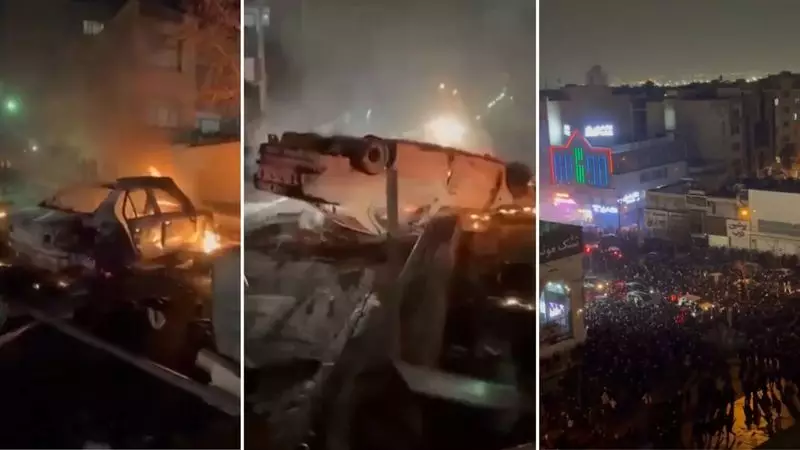
Iran has been rocked by the most significant wave of anti-government protests in years, sparked by the tragic death of a young woman in police custody. The unrest, which has spread to multiple cities, has seen violent clashes between security forces and demonstrators, with reports indicating several fatalities.
Death in Custody Ignites Nationwide Fury
The catalyst for the widespread anger was the death of 22-year-old Mahsa Amini. She was detained in Tehran on September 13 by the country's morality police for allegedly violating the strict Islamic dress code, which mandates headscarves for women. Amini fell into a coma shortly after her arrest and died in a hospital on Friday, September 16. Authorities claimed she suffered a heart attack, but her family and many citizens suspect she was beaten.
This incident has acted as a flashpoint, channeling long-simmering public discontent over political repression, social restrictions, and a worsening economic crisis into open defiance on the streets.

Protests Spread and Turn Deadly
Protests erupted first in Amini's home province of Kurdistan and quickly spread to the capital, Tehran, and other major cities including Rasht, Mashhad, and Isfahan. Videos circulating on social media show large crowds of protesters, with many women defiantly removing and burning their headscarves. Chants against Supreme Leader Ayatollah Ali Khamenei and the Islamic Republic have been heard.
The government response has been severe. Security forces, including the Basij militia and riot police, have used tear gas, metal pellets, and live ammunition to disperse crowds. Internet access has been heavily restricted in a bid to curb organizing and the flow of information. According to reports from human rights groups and local media, at least three people have been killed, with the actual toll feared to be higher. Dozens more have been injured and hundreds arrested.
International Reaction and Domestic Fallout
The international community has begun to react. The United States has called for accountability, while United Nations human rights experts have urged Iran to avoid unnecessary force and address the legitimate grievances of its people. Inside Iran, some prominent figures, including a few former politicians and athletes, have expressed sympathy for the protesters, though state media largely portrays the demonstrations as foreign-instigated riots.
These protests represent one of the most serious domestic challenges to Iran's leadership in recent times. They underscore the deep rift between the ruling establishment and a young, restive population demanding greater freedoms and an end to intrusive social controls. The coming days will be critical in determining whether the authorities can quell the unrest through force or if the protest movement gains further momentum.
The situation remains fluid and tense, with the potential for further escalation as calls for more demonstrations continue to circulate despite the internet blackouts and heavy security presence across the country.