

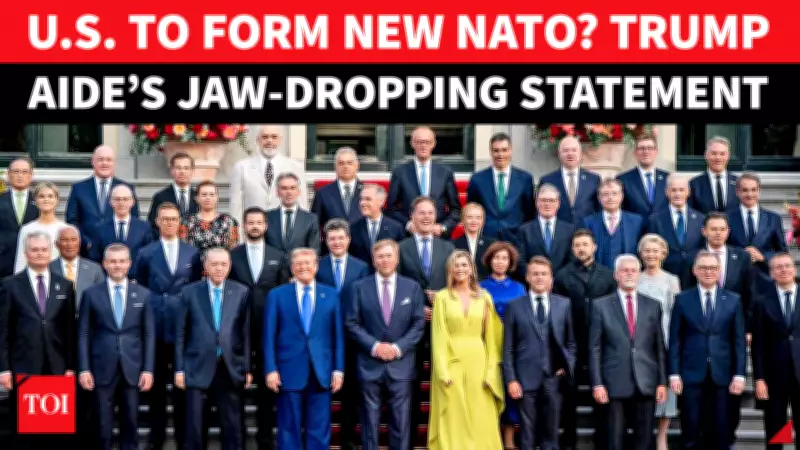
Former Trump advisor Keith Kellogg has unveiled a radical plan to restructure the North Atlantic Treaty Organization (NATO), declaring that the 1949 consensus underlying the alliance is dead. In a proposal that has sent shockwaves through diplomatic circles, Kellogg advocates tearing down what he calls the "bloated" 32-member alliance and replacing it with a tiered system where U.S. protection is not guaranteed but earned through defense spending and support for American operations in the Middle East.
Details of the Proposed Tiered System
Under Kellogg's plan, NATO members would be categorized into different tiers based on their contributions to collective defense and their willingness to support U.S.-led missions abroad. Countries that meet defense spending targets—likely exceeding the current 2% of GDP guideline—and actively participate in operations like "Operation Epic Fury" would receive full U.S. security guarantees. Those failing to meet these criteria would face reduced protection or be excluded from the alliance altogether.
Implications for Current NATO Members
The proposal comes as the United States has already begun withdrawing troops from Germany, Italy, and Spain, signaling a shift in Washington's commitment to European defense. Analysts interpret these moves as a clear message: support for U.S. operations in the Middle East, particularly the ongoing "Operation Epic Fury," is now a prerequisite for maintaining the American security umbrella. Nations that hesitate may find themselves without U.S. military backing in times of crisis.

Reactions and Analysis
Critics argue that Kellogg's plan would undermine the foundational principle of collective defense that has anchored NATO since its founding. Supporters, however, contend that the alliance has become outdated and that a tiered system would incentivize burden-sharing and ensure that only committed allies benefit from U.S. protection. The proposal has sparked intense debate among policymakers, with European leaders expressing concern over the potential fragmentation of the transatlantic alliance.
What's Next?
As the U.S. continues to recalibrate its foreign policy under Trump's influence, the future of NATO hangs in the balance. Kellogg's plan represents one of the most dramatic overhauls ever proposed for the alliance, and its adoption could reshape global security dynamics for decades to come. The coming months will be critical as member states respond to Washington's demands and negotiate the terms of a new security architecture.






