The year 2025 began with an unprecedented sense of calm in the Kashmir Valley. The sound of gunfire had largely faded, replaced by the buzz of tourism as hotels and resorts filled to capacity. This fragile peace, however, was brutally shattered by a series of events that exposed a new and complex security challenge for the region and the nation.
The Incidents That Broke the Calm
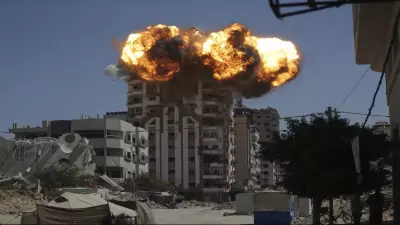
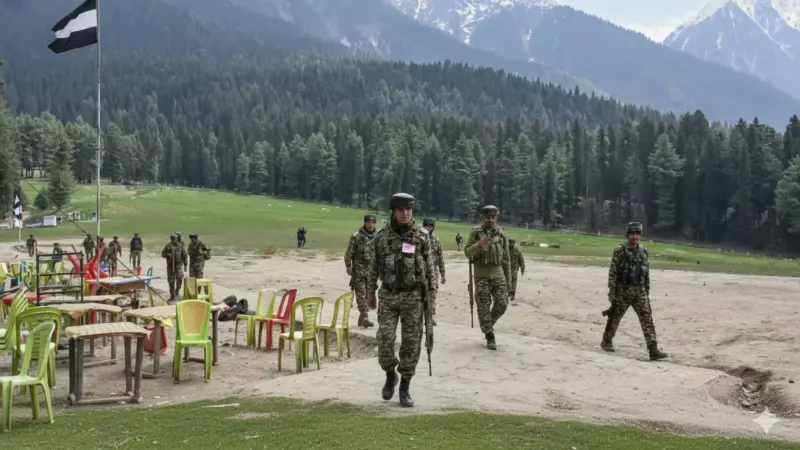
The illusion of normalcy was first torn apart on April 22, 2025, in the scenic Baisaran Valley of Pahalgam. A terror attack claimed the lives of 26 tourists, sending shockwaves through the Valley and the country. This was not an isolated tragedy. Later in the year, security forces cracked down on a sophisticated interstate terror module with links to Kashmir. This network, allegedly involving medical professionals, was followed by the devastating November 10 Red Fort blast in the national capital. The explosion outside the Red Fort metro station, allegedly carried out by suicide bomber Dr Umar un Nabi, a doctor from Pulwama working in Faridabad, killed 15 people.
These incidents collectively destroyed the perception of peace and underscored a critical shift in the nature of militancy. Senior security officials now identify hybrid militancy as the most significant threat. These "hybrid militants" are individuals not formally listed as terrorists. They are radicalised enough to execute a strike and then seamlessly blend back into their ordinary lives, making them exceptionally difficult for agencies to track and pre-empt.

The New Face of Terror: Modules and Radicalisation
The investigation into the Red Fort attack revealed the alarming scope of this new threat. Prior to the explosion, law enforcement arrested four individuals—three doctors and a preacher—and made massive seizures. Recovered materials included 3,000 kg of explosives, chemicals, electronic circuits, timers, guns, and ammunition. This module had spread its network from Kashmir to Haryana and Lucknow, signaling a dangerous expansion of the battleground beyond the Valley's borders.
Security experts point out a worrying trend: while local recruitment into traditional militant ranks in Kashmir saw a decline in 2025, radicalisation among educated professionals is on the rise. These small, well-knit modules often operate independently of Pakistan or established militant groups, using locally available resources to plan and execute attacks. "Fighting it is like shooting in the dark," a senior official remarked, highlighting the operational nightmare these cells present.
Security Response and Future Challenges
In response to these evolving threats, security agencies have adopted a multi-pronged strategy. There are serious intelligence inputs suggesting Pakistan is attempting to revive militancy in the Valley in the coming months. The Border Security Force has reported heightened activity at launch pads along the Line of Control (LoC).
Pre-emptive measures are already underway. Valley police have intensified a crackdown on organisations like the Jamaat-e-Islami and individuals with past records of militant sympathy to prevent fresh recruitment. A significant tactical move has been the ban on Virtual Private Networks (VPNs) in several districts of Kashmir and Jammu. This step aims to sever critical communication channels between militants, their sleeper cells, and handlers across the border.
The year 2025 has been a stark reminder that the landscape of conflict in Jammu and Kashmir is transforming. The threat is no longer confined to the dense forests and mountains but has metastasized into urban centers and professional circles, posing a formidable and diffuse challenge for India's security apparatus in the years ahead.