Former Afghan President Karzai Condemns Pakistan Airstrikes, Vows Homeland Defense
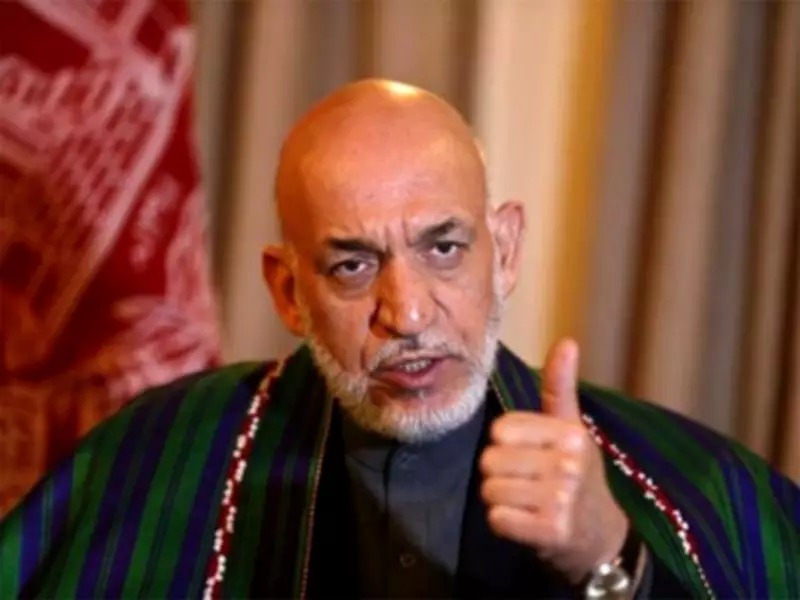
Former Afghan President Hamid Karzai has issued a strong condemnation of Pakistan's recent airstrikes within Afghan territory, declaring that the Afghan people are prepared to defend their beloved homeland against any aggression. This statement comes in response to a series of military actions by Pakistan that have significantly escalated tensions between the two neighboring countries.
Escalating Border Tensions
The airstrikes, reportedly conducted by Pakistani forces in the eastern provinces of Afghanistan, have sparked outrage among Afghan officials and citizens alike. Karzai, who served as president from 2001 to 2014, emphasized the sovereignty of Afghanistan and criticized what he described as an unwarranted violation of international borders. He asserted that such actions undermine regional stability and peace efforts.
Karzai stated, "The Afghan nation has always stood firm in protecting its land and will continue to do so with unwavering resolve. We condemn these attacks in the strongest terms and call for immediate cessation of hostilities." His remarks highlight the deep-seated historical and political disputes that have long plagued Afghanistan-Pakistan relations, including issues related to cross-border militancy and territorial claims.

Regional Implications and Diplomatic Fallout
The airstrikes have not only strained bilateral ties but also raised concerns among international observers about potential spillover effects in South Asia. Afghanistan has historically accused Pakistan of harboring militant groups that launch attacks across the border, a claim Pakistan denies. This latest incident could complicate ongoing diplomatic efforts and humanitarian initiatives in the region.
Key points from Karzai's condemnation include:
- A call for Pakistan to respect Afghanistan's sovereignty and territorial integrity.
- An appeal to the international community to intervene and prevent further escalation.
- A reaffirmation of Afghan citizens' commitment to defending their nation against external threats.
Analysts suggest that the airstrikes may be linked to Pakistan's counter-terrorism operations, but Karzai and other Afghan leaders argue that such measures violate international law and exacerbate instability. The situation remains fluid, with both sides engaging in diplomatic exchanges to de-escalate the conflict.
Historical Context and Future Outlook
Afghanistan and Pakistan share a porous border that has been a source of contention for decades, often leading to skirmishes and diplomatic spats. Karzai's vocal stance reflects broader Afghan sentiments of resilience and national pride in the face of adversity. As former president, his influence continues to shape public opinion and policy discussions within Afghanistan.
Looking ahead, the international community, including organizations like the United Nations, may play a crucial role in mediating talks between Kabul and Islamabad. Karzai's condemnation underscores the urgent need for dialogue and peaceful resolution to prevent further violence and humanitarian crises in the region.