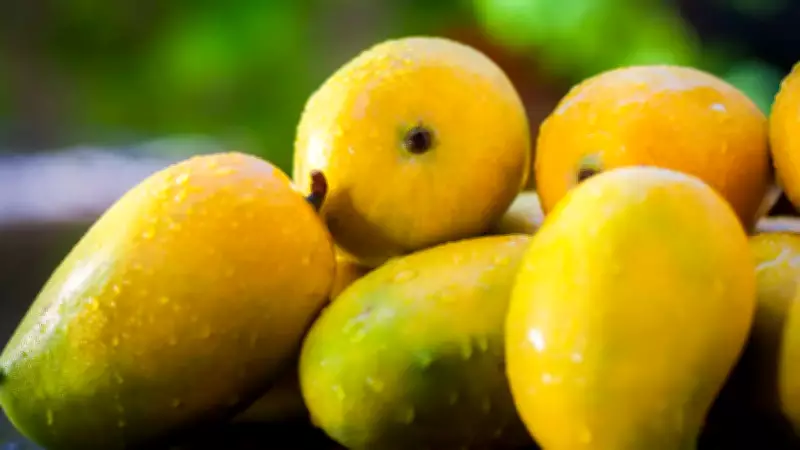
Mango, one of the most beloved summer fruits in India, is renowned for its aroma, juicy taste, and cultural significance. According to the Agricultural and Processed Food Products Export Development Authority (APEDA), a single mango can provide up to 40 percent of the daily dietary fiber needs, offering protection against heart disease, cancer, and cholesterol buildup. Additionally, mangoes are rich in potassium, beta-carotene, and antioxidants. In India, mangoes are predominantly grown in tropical and subtropical regions up to an altitude of 1,500 meters, with about 1,000 varieties cultivated across the country.
Resumption and Suspension of Mango Exports
India resumed mango exports to Japan in 2006 after a two-decade ban. However, history has repeated itself as the trade corridor is once again on hold. The Yokohama Plant Protection Association, a public-interest body supporting Japan's plant quarantine operations, issued a formal notice on March 31, 2026. The notice stated that mango shipments carrying inspection certificates issued by India on or after March 25, 2026, would not be accepted. Imports from Indian facilities will remain suspended until Japanese authorities are satisfied that operational standards have improved.
Reason Behind the Ban
Every year, Japan sends quarantine officers to inspect the Vapour Heat Treatment (VHT) facilities that Indian exporters must use before shipping mangoes to Japan. VHT is a non-chemical quarantine process that subjects mangoes to controlled hot, humid air to eliminate fruit flies and other pests. This is a mandatory prerequisite under the bilateral protocol governing Indian mango exports to Japan. During this year's inspection in Rehmanpur, Uttar Pradesh, inspectors identified deficiencies in fumigation protocols and related disinfection measures at the facility. The specific technical details of the deficiencies have not been publicly disclosed by either Japanese or Indian authorities.

India-Japan Mango Trade Overview
Japan's share of Indian mango exports is limited. Fresh and processed mango products exported to Japan were valued at $1.54 million in 2025-26, with Gujarat's Kesar variety accounting for the largest portion of shipments to that market.
Timeline for Ban Removal
The suspension notice sets no specific timeline for resumption. It states only that imports will remain suspended until Japanese authorities are satisfied that operational standards at Indian facilities have improved.