

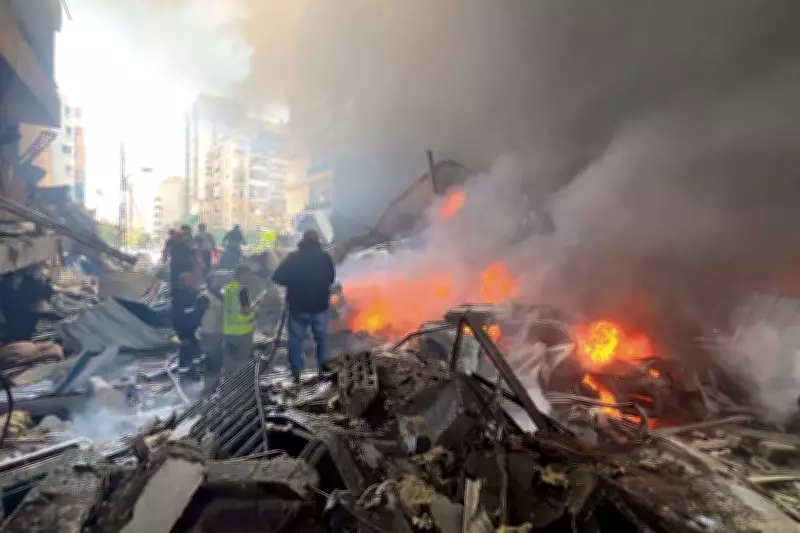
Israel Unleashes Largest Strikes of War on Lebanon, 254 Killed
In a dramatic escalation of hostilities, Israel has launched its largest military strikes on Lebanon since the onset of the current conflict, resulting in the deaths of 254 individuals. This operation marks a significant intensification in the ongoing war, with Israeli forces targeting key positions held by Hezbollah, the Lebanese militant group. The strikes have caused widespread destruction and heightened fears of a broader regional confrontation.
Details of the Military Operation
The Israeli military conducted a series of coordinated attacks across multiple locations in Lebanon, focusing on Hezbollah's infrastructure and strongholds. These strikes, described as the most extensive of the war, involved advanced weaponry and aerial bombardments. Reports indicate that the targeted areas included military bases, weapons depots, and command centers, leading to substantial casualties among Hezbollah fighters and civilians caught in the crossfire.
The death toll has been confirmed at 254, with many more injured, according to local sources and international observers. The humanitarian situation is deteriorating rapidly, with emergency services struggling to cope with the influx of casualties and displaced persons.

Regional and International Reactions
The strikes have drawn sharp condemnation from various regional actors and global powers. Lebanon's government has denounced the attacks as a violation of its sovereignty, while Hezbollah has vowed to retaliate, threatening further escalation. International bodies, including the United Nations, have called for an immediate ceasefire and expressed deep concern over the rising civilian casualties.
Analysts warn that this development could push the region closer to a full-scale war, with potential implications for stability across the Middle East. Diplomatic efforts are underway to de-escalate tensions, but progress remains uncertain amid the volatile situation.
Background and Context
The conflict between Israel and Hezbollah has been simmering for years, with periodic flare-ups leading to violence. This latest escalation follows a series of provocations and counterattacks, highlighting the fragile nature of the ceasefire agreements in place. The war has already displaced thousands and caused significant economic damage in both countries.
- The strikes represent a strategic shift in Israel's military approach, aiming to cripple Hezbollah's capabilities.
- Humanitarian organizations are mobilizing aid, but access to affected areas is limited due to ongoing hostilities.
- The international community is urging restraint, with calls for dialogue to prevent further loss of life.
As the situation unfolds, the world watches closely, hoping for a resolution that can bring peace to a region long plagued by conflict. The death toll of 254 serves as a stark reminder of the human cost of war, underscoring the urgent need for diplomatic solutions.






