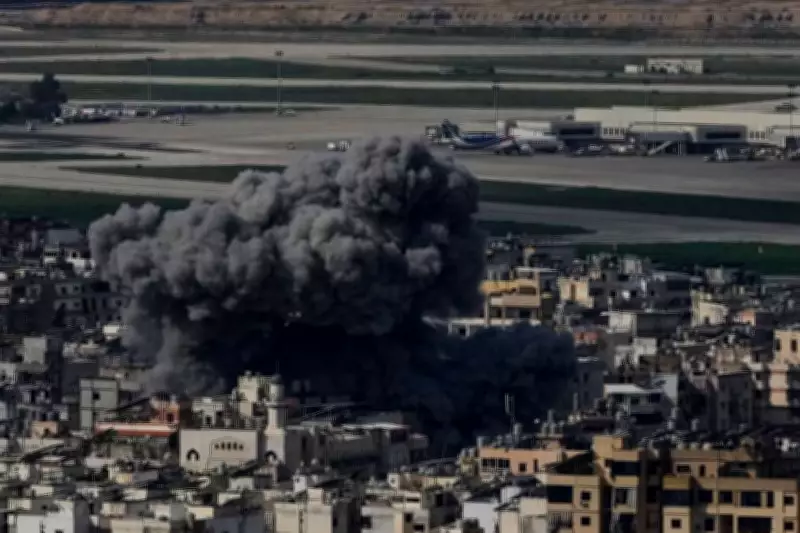
Israeli F-35 Fighter Jet Engages and Destroys Iranian Aircraft Over Tehran
In a dramatic escalation of hostilities, an Israeli Air Force F-35 stealth fighter successfully intercepted and shot down an Iranian military jet over the skies of Tehran. This incident occurred as the war between the two nations entered its fifth consecutive day, signaling a significant intensification in the conflict that has gripped the region.
Details of the Aerial Engagement
The engagement took place early in the morning, with the Israeli F-35, a state-of-the-art fifth-generation fighter, targeting the Iranian aircraft. Reports indicate that the Iranian jet was likely on a reconnaissance or defensive patrol mission when it was engaged by the Israeli forces. The precise type of Iranian aircraft has not been officially confirmed, but it is believed to be a military-grade jet involved in the ongoing operations.
This marks one of the first confirmed uses of the F-35 in active combat against Iranian assets over their own territory, underscoring the advanced capabilities and strategic reach of the Israeli military. The downing occurred despite Tehran's air defense systems, raising questions about the effectiveness of Iran's aerial protection measures.

Context of the Ongoing Conflict
The war, which began five days ago, has seen a series of skirmishes and attacks between Israel and Iran, with both sides exchanging fire across borders and through proxy forces. This latest incident represents a direct confrontation between the two nations' air forces, moving beyond previous indirect engagements.
The escalation comes amid heightened regional tensions, with other countries closely monitoring the situation for potential spillover effects. International observers have expressed concern over the rapid deterioration of stability in the Middle East, calling for immediate de-escalation efforts.
Military and Strategic Implications
The use of the F-35 in this engagement highlights several key points:
- Technological Superiority: The F-35's stealth capabilities allowed it to penetrate Iranian airspace undetected, demonstrating Israel's edge in modern warfare technology.
- Escalation Risk: Direct attacks over capital cities like Tehran increase the likelihood of further retaliatory measures, potentially broadening the conflict.
- Regional Security: Neighboring nations are on high alert, with fears that the conflict could draw in other actors or disrupt global oil supplies and trade routes.
As the war enters its fifth day, both sides have mobilized additional forces, with Israel reinforcing its aerial defenses and Iran reportedly scrambling jets in response. The international community, including the United Nations and major powers, has urged restraint, but diplomatic efforts have so far failed to halt the violence.
Looking Ahead
With no immediate signs of a ceasefire, the downing of the Iranian jet over Tehran is expected to fuel further hostilities. Analysts warn that such incidents could lead to a full-scale aerial war, with devastating consequences for civilian populations and regional stability.
The situation remains fluid, and updates are anticipated as both nations assess their next moves. This event underscores the volatile nature of the Israel-Iran conflict and the critical need for urgent diplomatic intervention to prevent further escalation.