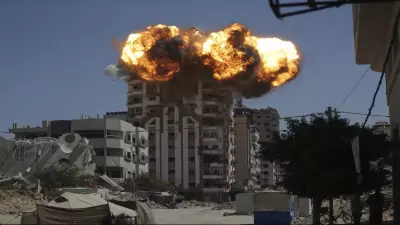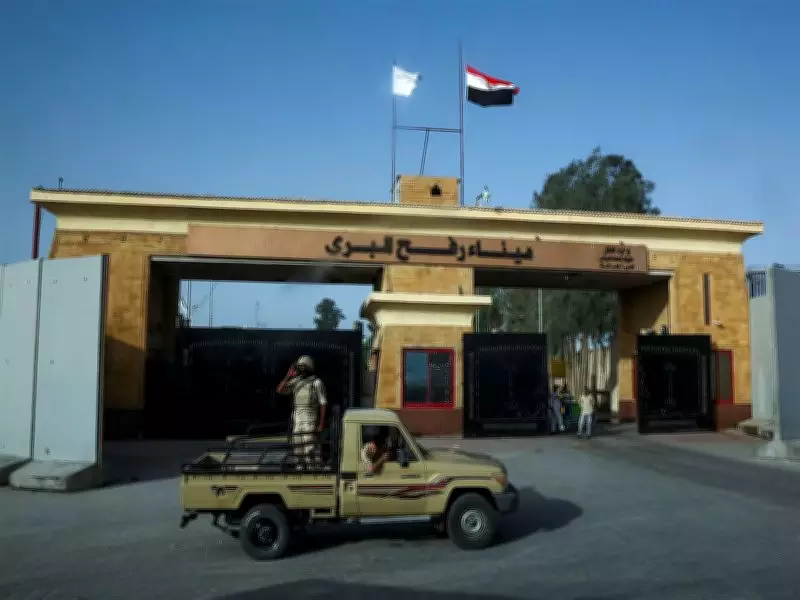
In a significant development aimed at easing tensions and facilitating humanitarian efforts, Israel has announced plans to reopen the Rafah crossing, a crucial border point with the Gaza Strip. This move comes as part of a broader ceasefire agreement that seeks to de-escalate recent conflicts in the region. The decision underscores Israel's commitment to restoring stability and allowing for the flow of essential supplies and personnel.
European Union to Oversee Operations
The European Union will play a pivotal role in overseeing the movement at the Rafah crossing, ensuring that operations are conducted smoothly and in accordance with international standards. This involvement by the EU highlights the international community's support for peace initiatives and its dedication to monitoring cross-border activities to prevent any potential violations or disruptions.
Ceasefire Agreement Details
The ceasefire agreement, which paved the way for this reopening, includes specific terms designed to maintain calm and prevent further hostilities. Key aspects of the deal involve:

- Immediate cessation of military actions by all parties involved.
- Enhanced coordination between Israeli authorities and international observers.
- Regular assessments to ensure compliance with the ceasefire terms.
This agreement is seen as a critical step toward long-term peace and stability in the area, with the Rafah crossing serving as a symbol of renewed cooperation and humanitarian access.
Impact on Humanitarian Aid and Regional Dynamics
The reopening of the Rafah crossing is expected to have a profound impact on humanitarian aid delivery to Gaza, where residents have faced severe shortages of food, medicine, and other essentials. By allowing the movement of goods and people, this initiative aims to alleviate suffering and support reconstruction efforts in the war-torn region.
Moreover, this development could influence regional dynamics by fostering dialogue and trust between Israel and neighboring entities. The European Union's oversight adds a layer of credibility and transparency, potentially encouraging other international actors to contribute to peace-building measures.
As the situation evolves, stakeholders will closely monitor the implementation of the ceasefire and the operational efficiency at the Rafah crossing, hoping for a sustained period of calm and progress toward lasting resolution.