Israel Strikes Tehran During Nowruz as Iran-Israel-US War Intensifies
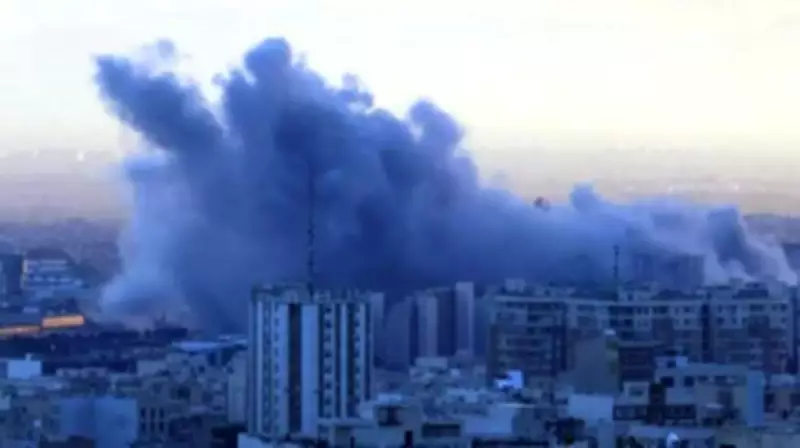
The conflict between Iran, Israel, and the United States has escalated dramatically, with Israeli airstrikes targeting Tehran on Friday as Iranians celebrated Nowruz, the Persian New Year. This attack marks a significant intensification in the ongoing war, which is increasingly targeting energy infrastructure and causing visible global economic repercussions.
Escalation of Hostilities and Regional Impact
In retaliation for Israeli strikes on a major Iranian gas field, Iran launched attacks on oil and gas facilities across the Gulf, disrupting critical supply routes and triggering a sharp rise in global oil prices. The situation has been further complicated by continued missile exchanges, with Israel carrying out fresh airstrikes on Tehran and Iran firing multiple missile barrages at Israeli cities, forcing millions into shelters in areas like Haifa and Galilee.
The conflict has expanded geographically, with intensified fighting involving Hezbollah in Lebanon, resulting in over 1,000 deaths and mass displacement. The near shutdown of the Strait of Hormuz, a vital global oil transit route, has added to fears of a prolonged energy crisis, with oil prices hovering around $100 per barrel and gas prices rising amid supply disruptions.

International Responses and Diplomatic Tensions
Global leaders are urging restraint to prevent further escalation. The United Nations and European Union have called for de-escalation and protection of energy routes. Meanwhile, the United States has approved approximately $7 billion in additional arms sales to the United Arab Emirates, including Patriot PAC-3 missile systems and CH-47 Chinook helicopters, as reported by the Wall Street Journal.
U.S. President Donald Trump issued a stark warning, threatening major strikes on Iran’s energy infrastructure if attacks continue, while Israeli Prime Minister Benjamin Netanyahu claimed that Iran’s military capabilities, including uranium enrichment and ballistic missile production, have been weakened. Netanyahu projected confidence, stating the war could end sooner than expected, though he provided no specific timeline.
Key Developments and Humanitarian Concerns
- Israeli Airstrikes: Israel targeted Tehran during Nowruz celebrations, with activists reporting multiple explosions in the capital.
- Iranian Retaliation: Iran attacked Gulf oil and gas facilities, leading to disruptions in global energy supplies.
- Regional Involvement: The UAE intercepted incoming projectiles in Dubai, and authorities arrested individuals linked to an Iran-Hezbollah terrorist network.
- Economic Impact: Crude oil prices fell slightly after Netanyahu’s comments but remain high due to ongoing supply concerns.
- Diplomatic Incidents: Trump’s reference to Pearl Harbor during a meeting with Japan’s Prime Minister Sanae Takaichi caused an awkward moment, as he defended keeping U.S. strikes on Iran secret for tactical surprise.
As the conflict enters its fourth week, international pressure is mounting for a resolution to prevent further humanitarian and economic fallout. The war continues to pose significant risks to regional stability and global markets, with leaders emphasizing the need for coordinated efforts to de-escalate tensions and secure critical energy infrastructure.