Israeli Airstrike Targets Tabriz Airport, Obliterates Iranian Fighter Jets
In a significant escalation of hostilities in the Middle East, Israel has launched a military strike on Tabriz Airport, located in Tehran, Iran. The attack, which occurred recently, resulted in the confirmed destruction of several Iranian fighter jets, including F-5 and F-4 models. This incident marks a direct confrontation between the two nations, heightening fears of a broader regional conflict.
Details of the Attack and Military Assets Destroyed
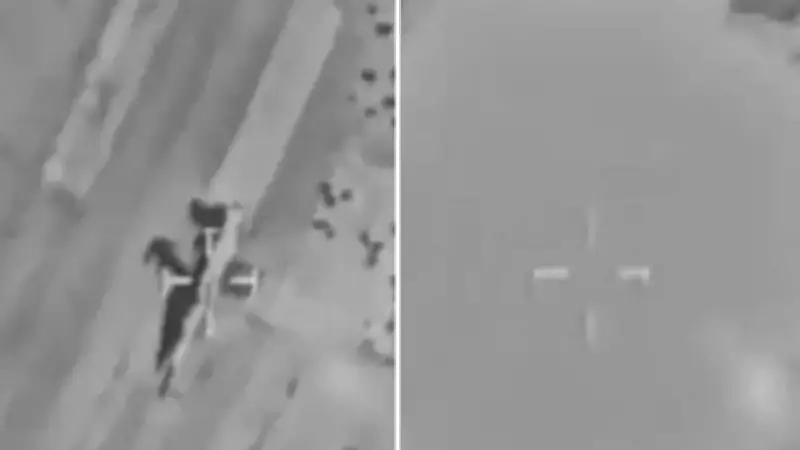
According to reports and verified video footage, the Israeli strike precisely targeted the airbase at Tabriz Airport. The assault led to the complete obliteration of Iran's aging but operational F-5 and F-4 fighter jets. These aircraft, though considered older-generation models, have been integral to Iran's air force capabilities for decades. The destruction of these assets represents a substantial blow to Iran's military infrastructure and aerial defense systems.
Key aspects of the attack include:

- Location: The strike focused on Tabriz Airport in Tehran, a strategic site for Iran's air operations.
- Targets: Primary objectives were the F-5 and F-4 fighter jets, which were reportedly parked at the airport.
- Impact: The jets were destroyed, with video evidence showing explosions and debris at the scene.
Regional Tensions and Broader Implications
This attack occurs against a backdrop of escalating tensions between Israel and Iran, fueled by longstanding geopolitical rivalries and proxy conflicts across the Middle East. The strike on Tabriz Airport is seen as a retaliatory or preemptive move by Israel, potentially in response to previous Iranian actions or threats. Analysts warn that such direct military engagements could spiral into a larger confrontation, affecting stability in the region and beyond.
Potential consequences of this escalation:
- Increased military posturing by both nations, with possible further strikes or counterattacks.
- Impact on global oil markets and international diplomacy, as major powers monitor the situation closely.
- Heightened risks for civilian populations in conflict-prone areas of the Middle East.
International Reactions and Future Outlook
The international community has expressed concern over the attack, with calls for de-escalation and diplomatic resolutions. Countries like the United States and European nations are likely to engage in behind-the-scenes efforts to prevent a full-scale war. Meanwhile, Iran has condemned the strike as an act of aggression, vowing to respond appropriately. The future remains uncertain, with experts emphasizing the need for cautious monitoring of developments in the coming days.
In summary, Israel's strike on Tabriz Airport, resulting in the destruction of Iran's F-5 and F-4 fighter jets, represents a critical juncture in Middle Eastern conflicts. As both sides assess their next moves, the world watches with apprehension, hoping for a peaceful resolution to avoid further devastation.