

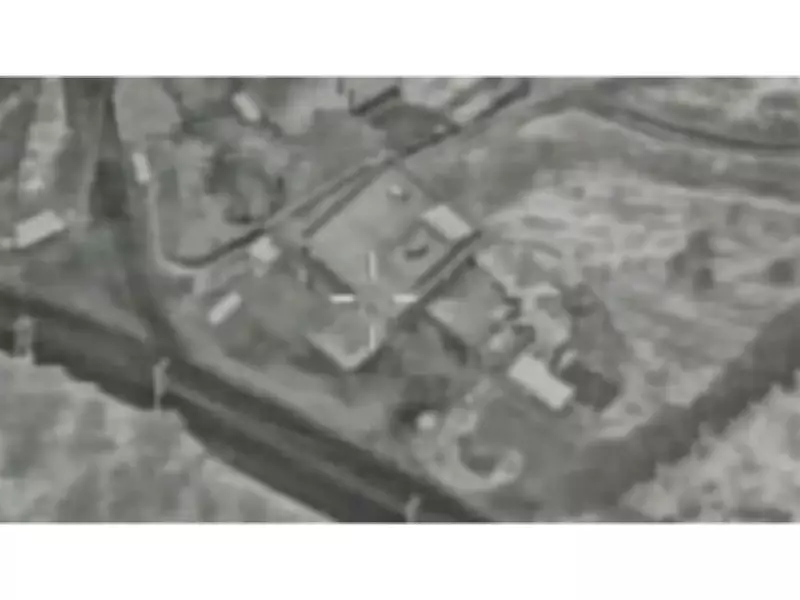
Israel Air Force Completes Wave of Strikes in Iran's Isfahan: IDF
The Israel Defence Forces (IDF) announced on Thursday that they have successfully completed a wave of extensive strikes targeting infrastructure in Iran's Isfahan region. This military action is part of ongoing tensions in the Middle East, with the IDF stating it aimed at facilities linked to the Iranian regime.
Details of the Strikes and Intelligence Guidance
According to the IDF, the strikes were conducted under precise intelligence guidance, focusing on production sites for weaponry in the Tehran area. Specifically, the attacks targeted locations involved in the manufacturing of air and sea weaponry. In parallel, defence systems and a missile launcher position against aircraft were also assaulted, highlighting the strategic nature of the operation.
The IDF emphasized that these strikes are a response to perceived threats from Iran, aiming to degrade the regime's military capabilities. This move follows previous escalations in the region, underscoring the volatile security situation.

IRGC's Stern Warning and Missile Attacks
In response, Iran's Islamic Revolution Guards Corps (IRGC) issued a stark warning to US-Israel forces, cautioning against any potential ground operations within Iranian territory. The IRGC statement read, "Don't send your children to hell with the deceit of Netanyahu and Trump. The invading soldiers will be deeply drowned and disappear in the million-strong sea of the Iranian nation."
Additionally, the IRGC claimed to have launched precision-guided missiles, including Emad, Qiam, Khorramshahr-4, and Qadr types, striking over 70 locations across Israel in what they termed the 81st wave of Operation True Promise 4. Targets reportedly included Haifa, Dimona, Al-Khudriyya near Haifa, and areas north and south of Tel Aviv. The IRGC concluded with a threatening message, "Remember, we will level Tel Aviv and Haifa to the ground, this is what our martyred Leader taught us."
US Military Deployment and Regional Implications
Amidst these developments, a CBS report indicated that the Pentagon is planning to deploy troops from the 82nd Airborne Division to the Middle East. This deployment, which includes command components and ground forces, is reportedly in preparation for a possible ground operation, with Kharg Island being a contemplated target. The move signals heightened US involvement in the conflict, potentially escalating tensions further.
The IRGC also provided statistics on the conflict, stating that over 700 missiles and 3,600 drones have been fired at American and Israeli targets since the war began. They claimed that Iran's air defence systems have intercepted and destroyed more than 200 enemy aircraft, including cruise missiles and advanced fighter jets.
Broader Context and Ongoing Tensions
This latest wave of strikes and warnings occurs against a backdrop of longstanding animosity between Israel and Iran, with both nations engaging in proxy conflicts across the Middle East. The involvement of US forces adds another layer of complexity, as global powers monitor the situation for potential wider implications.
The IRGC's direct appeal to the American people, warning of misinformation from leaders like Trump and Netanyahu, reflects efforts to sway public opinion and highlight the human cost of the conflict. As military actions intensify, the risk of further escalation remains high, with regional stability hanging in the balance.






