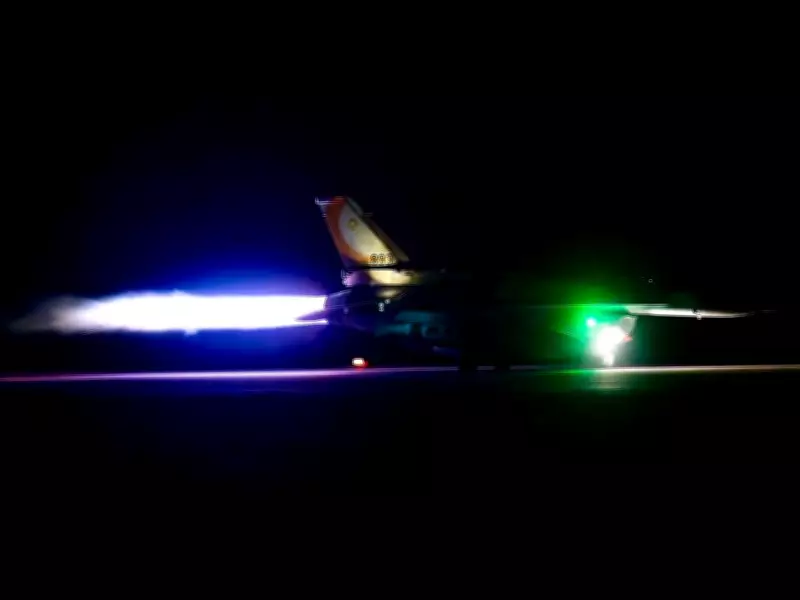
The Israel Air Force has conducted a series of airstrikes on Hezbollah infrastructure in southern Lebanon, according to official statements. The military claimed that the targeted site was used by terrorists to launch operations against Israel. The strikes mark a significant escalation in the ongoing tensions between the two adversaries.
Details of the Airstrikes
The Israeli Defense Forces (IDF) confirmed that their fighter jets struck multiple targets belonging to the Iran-backed Hezbollah group. The strikes focused on a compound that the IDF said served as a base for terrorist activities. No immediate casualties were reported, but the attack caused substantial damage to the infrastructure.
Hezbollah's Response
Hezbollah has not yet officially responded to the airstrikes, but the group has previously vowed to retaliate against any Israeli aggression. The incident raises fears of a broader conflict between Israel and Hezbollah, which fought a devastating war in 2006. Analysts warn that the situation could spiral out of control if both sides continue their aggressive postures.

Regional Implications
The airstrikes come amid heightened tensions across the Middle East. Israel has repeatedly accused Hezbollah of stockpiling precision-guided missiles and building military infrastructure near the border. The United Nations Interim Force in Lebanon (UNIFIL) has called for restraint from both parties. The international community is closely monitoring the situation to prevent a full-scale war.
Israel's military stated that the operation was precise and aimed solely at preventing terrorist attacks. However, critics argue that such strikes violate Lebanese sovereignty and could destabilize the region further. The Lebanese government has condemned the airstrikes and called for an emergency meeting of the UN Security Council.
Background
Hezbollah, a Shia Islamist political party and militant group, has been a longtime foe of Israel. The group has fought several conflicts with Israel and is considered a terrorist organization by many Western countries. In recent years, Hezbollah has been involved in the Syrian civil war, supporting the government of President Bashar al-Assad.
Israel views Hezbollah's growing arsenal as a direct threat and has conducted numerous airstrikes in Syria to prevent weapons transfers to the group. The latest strikes in Lebanon indicate that Israel is willing to take direct action against Hezbollah on Lebanese soil.
International Reactions
The United States has expressed support for Israel's right to defend itself, while urging all parties to avoid escalation. Russia and Iran have condemned the airstrikes, with Iran calling them a violation of international law. The European Union has called for an immediate de-escalation and a return to diplomatic channels.
Meanwhile, the United Nations Special Coordinator for Lebanon, Joanna Wronecka, has expressed deep concern over the incident and urged all parties to adhere to Security Council Resolution 1701, which ended the 2006 war. The resolution calls for the disarmament of all armed groups in Lebanon, including Hezbollah.
As tensions remain high, the region braces for potential retaliation. The coming days will be crucial in determining whether the conflict will expand or if diplomatic efforts can prevent further violence.