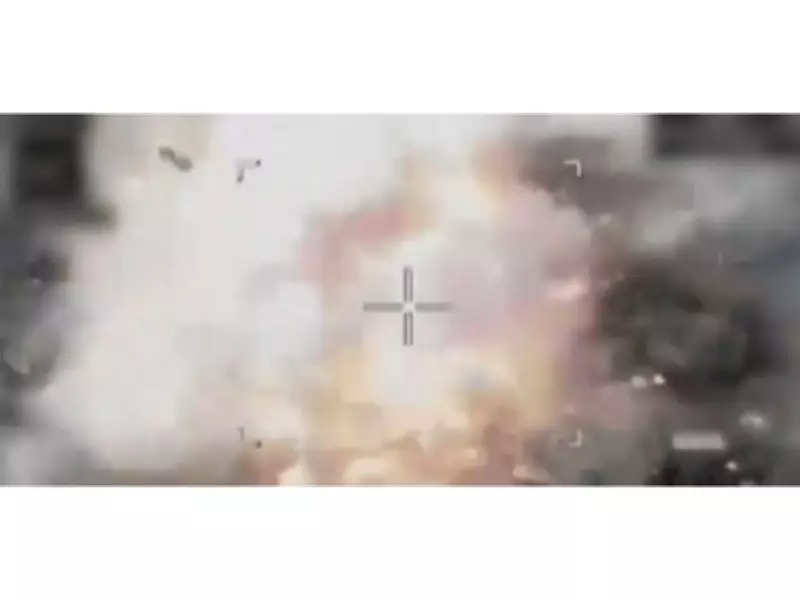
Israeli Military Launches Major Offensive Against Hezbollah in Lebanon
The Israeli military has announced a significant escalation in its operations against Hezbollah, reporting that it has targeted over 200 sites belonging to the militant group in Lebanon within a 24-hour period. This aggressive military action marks one of the most intensive phases of the ongoing conflict between Israel and Hezbollah, raising concerns about a broader regional confrontation.
Details of the Strikes
According to official statements from the Israeli Defense Forces (IDF), the strikes were carried out across various locations in Lebanon, focusing on Hezbollah infrastructure, including weapons depots, command centers, and rocket launch sites. The military emphasized that these operations were in direct response to recent attacks launched by Hezbollah from Lebanese territory into northern Israel, which have resulted in casualties and property damage.
The scale of the offensive is unprecedented in recent months, with Israeli forces utilizing a combination of airstrikes and artillery fire to neutralize what they describe as imminent threats. The IDF has stated that the targets were carefully selected based on intelligence to minimize civilian casualties, though reports from Lebanon indicate some collateral damage in residential areas.

Regional and International Reactions
The escalation has drawn swift reactions from regional and international actors. Lebanese officials have condemned the strikes as a violation of sovereignty, calling for immediate international intervention to de-escalate the situation. Meanwhile, Hezbollah has vowed retaliation, warning that Israel will face severe consequences for its actions.
International bodies, including the United Nations, have expressed deep concern over the rising violence, urging both sides to exercise restraint and return to diplomatic channels. The United States, a key ally of Israel, has reiterated its support for Israel's right to self-defense while also advocating for a peaceful resolution to prevent further destabilization in the Middle East.
Background of the Conflict
The tensions between Israel and Hezbollah have deep historical roots, with the current flare-up being part of a long-standing proxy war. Hezbollah, backed by Iran, is considered a terrorist organization by Israel and many Western countries. Recent months have seen an increase in cross-border skirmishes, with both sides exchanging fire regularly.
This latest military campaign by Israel underscores the fragile security situation in the region, as any miscalculation could lead to a full-scale war. Analysts warn that the involvement of other regional powers, such as Iran and Syria, could further complicate the conflict, making diplomatic efforts more urgent than ever.
Humanitarian Impact
The strikes have exacerbated the humanitarian crisis in Lebanon, a country already grappling with economic collapse and political instability. Local reports indicate that the attacks have displaced hundreds of civilians, with many seeking shelter in safer areas. Humanitarian organizations are calling for urgent aid to assist those affected by the violence.
In summary, the Israeli military's announcement of hitting over 200 Hezbollah sites in Lebanon within 24 hours highlights a dramatic intensification of hostilities. As the situation remains volatile, the international community watches closely, hoping to avert a larger conflict that could have far-reaching consequences for regional peace and stability.