A fragile ceasefire may have silenced the guns in Gaza for nearly three months, but a fierce new battle over humanitarian aid is now raging, threatening to cripple the already strained relief efforts for two million Palestinians. The core of the conflict is a set of new Israeli regulations that demand detailed personal information about aid workers, a move that has led to a major standoff with dozens of international humanitarian organizations.
The Data Demand Deadlock
At the heart of the crisis is a directive from Israel's Ministry for Diaspora Affairs and Combating Anti-Semitism. Led by Minister Amichai Chikli, a vocal ally of Prime Minister Benjamin Netanyahu, the ministry now controls NGO access to Gaza. In March 2024, Chikli mandated that all aid groups operating in Palestinian territories must submit the names, ID numbers, and contact information of their staff to Israeli authorities.
This order was part of an overhaul initiated after allegations that militant groups like Hamas were exploiting the humanitarian aid system. However, major international groups, including Doctors Without Borders (MSF) and Oxfam, have refused to comply. They argue that sharing such sensitive data could endanger their employees, as Israel has not provided sufficient assurances on how the information will be used, stored, or protected from misuse.

Consequences and the March Deadline
The refusal has had immediate consequences. By failing to submit complete applications, 37 aid groups have effectively lost their NGO registration status in Israel. This registration is crucial for obtaining visas for international staff and for basic logistical functions like transporting goods. According to Israeli officials, these groups have until March 2025 to submit the required documents or face being forced to vacate the Palestinian territories.
The impact is severe. MSF alone supports roughly 20% of all hospital beds in Gaza with its 1,100 Palestinian staff. The new rules also prohibit actions deemed as delegitimizing Israel, which Chikli's ministry has accused MSF of doing through its criticism of Israeli military actions. The ministry even suggested MSF change its name to "Terrorists Without Borders," a claim the group vehemently denies.
Wider Implications for Gaza's Recovery
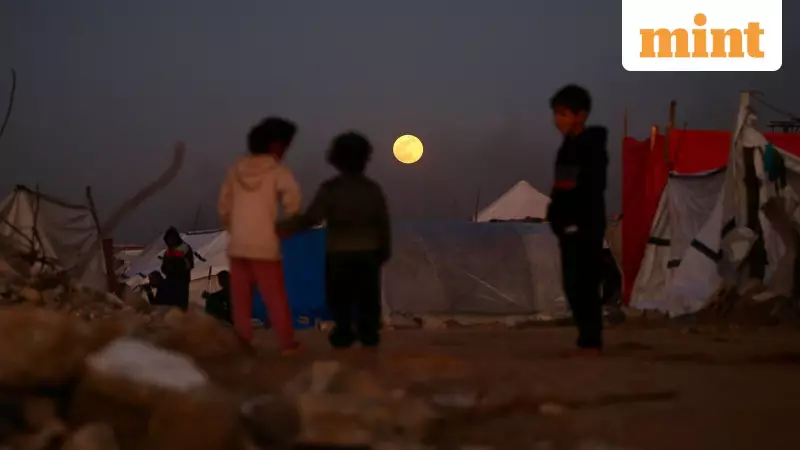
This bureaucratic battle directly jeopardizes the lives of Gazans. Almost the entire population has been displaced, with hundreds of thousands still living in makeshift tents. They rely on aid groups for everything from food and healthcare to the removal of unexploded bombs and long-term reconstruction.
While Israel states that the 37 non-compliant groups represent only about 1% of the volume of aid entering Gaza, the NGOs counter that this figure ignores their critical role in distribution, infrastructure, and medical services. The UN's humanitarian agency (OCHA) has warned that the changes could cause the distribution network it relies on to collapse.
Despite the standoff, Israel has approved 24 organizations, including International Medical Corps and Catholic Relief Services. Gilad Zwick, a ministry spokesman, cited this as evidence of Israel's commitment to facilitating aid. However, for the many groups now blocked, and for the Palestinians depending on them, the path to recovery remains fraught with new political obstacles even in a time of nominal peace.