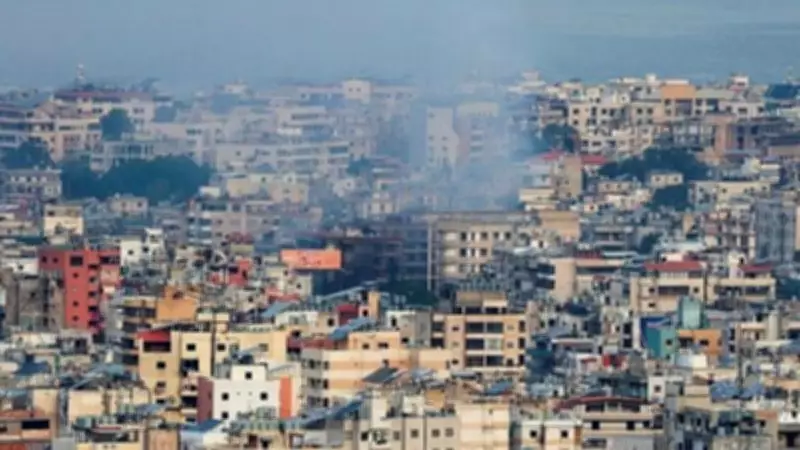
Israel Intensifies Military Operations with Expanded Evacuation Orders in Southern Lebanon
The Israeli military has significantly escalated its evacuation directives for civilians residing in southern Lebanon, marking a critical development in the ongoing conflict with the Lebanese armed group Hezbollah. This expansion comes as part of a broader air and ground offensive initiated by Israel last week, aimed at countering Hezbollah's aggressive actions.
Background of the Escalating Conflict
Hezbollah launched a series of attacks against Israel on March 2, 2026, which the group stated were intended to avenge the killing of Iran's supreme leader at the outset of the US-Israeli war on Iran. These provocations have led to a rapid deterioration of the security situation in the region, prompting Israel to respond with a comprehensive military campaign.
The Israeli offensive, which combines aerial bombardments and ground maneuvers, targets Hezbollah's infrastructure and positions in Lebanon. This strategic move is designed to neutralize threats and prevent further assaults on Israeli territory.

Impact on Civilian Populations
The expanded evacuation orders are a direct response to the intensifying hostilities, with Israeli authorities urging residents in southern Lebanon to leave their homes for safety. This measure underscores the severe humanitarian implications of the conflict, as civilians face displacement and uncertainty amid the fighting.
Key aspects of the evacuation efforts include:
- Wider geographic coverage to include additional villages and towns in southern Lebanon.
- Increased coordination with international organizations to facilitate safe passage for evacuees.
- Heightened security protocols to protect those fleeing the conflict zones.
Regional and International Reactions
The escalation has drawn attention from global observers, with concerns mounting over the potential for a broader regional conflict. The involvement of Iran, through its support for Hezbollah, adds a complex geopolitical dimension to the situation.
As the offensive continues, diplomatic efforts are underway to de-escalate tensions, but the immediate focus remains on ensuring civilian safety and containing the military confrontation.
This development highlights the volatile nature of West Asian politics and the ongoing challenges in achieving stability in the region.