Israel Approves Massive Defence Budget Increase Amid Escalating Iran Conflict
With no immediate end to hostilities in sight, Israel has significantly boosted its defence budget by NIS 32 billion, equivalent to over $10 billion. This substantial financial injection is specifically aimed at enabling the continuation of military campaigns and securing ultimate victory against regional adversaries.
Netanyahu's Declaration of Continued Military Campaign
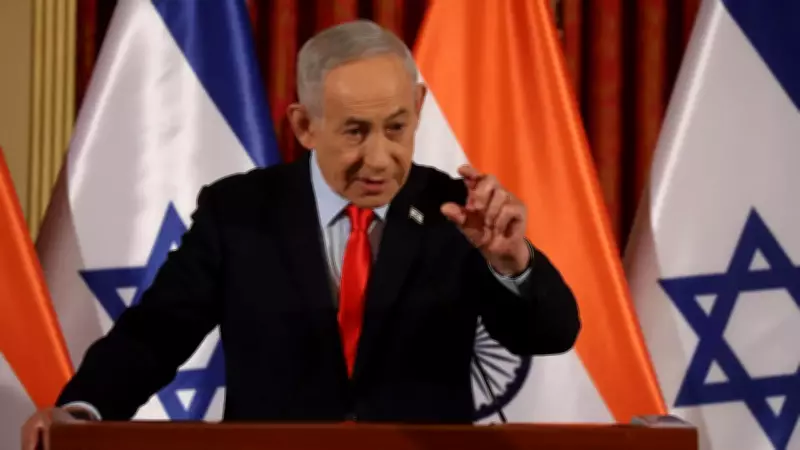
Israeli Prime Minister Benjamin Netanyahu announced the budget increase through a social media post, stating clearly that the additional NIS 32 billion for defense would provide the Israeli Defense Forces and security establishment with all necessary tools to "continue the campaign and achieve victory." This declaration comes as Israel faces multiple simultaneous security challenges across the region.
Defence Spending Reaches Unprecedented Levels
Israel's defence expenditure has been climbing steadily since the Gaza war erupted following Hamas's October 7, 2023 attack. The current defence allocation stands at 143 billion shekels, representing approximately 120% higher spending than pre-war levels recorded in 2023. According to Bloomberg reports, an additional 6 billion shekels has been reserved specifically for potential costs associated with the Iran war and other military requirements.

The total extra defence allocation now reaches at least 38 billion shekels, constituting roughly 2% of Israel's Gross Domestic Product. These funds are primarily designated for replenishing military supplies and covering payments for reserve troops who have been extensively mobilized.
Multi-Front Regional Conflict Intensifies
Israel currently faces military engagements on multiple fronts simultaneously. Beyond the ongoing campaign in Gaza and direct conflict with Iran, Israeli forces remain actively engaged against Iran-backed Hezbollah militants along the northern border with southern Lebanon. This multi-front reality has created unprecedented security demands requiring substantial financial resources.
The war between the United States, Israel, and Iran has entered a particularly volatile phase with strikes now targeting multiple Iranian nuclear facilities, including recent attacks on Isfahan. Explosions and power outages reported in parts of Tehran demonstrate the growing disruption to civilian life, even as residents attempt to maintain normalcy amid heightened security concerns.
Economic Consequences and Political Opposition
The dramatic increase in defence spending has necessitated a three percent reduction across all other government ministries, a budgetary decision that has drawn strong criticism from main opposition leader Yair Lapid. This reallocation of national resources highlights the significant economic trade-offs being made to sustain military operations.
Regional conflict has expanded beyond traditional battlefields, with air defence systems activated in Jerusalem and near Riyadh, while explosions were reported in Dubai and near Erbil in northern Iraq. Israel has suffered casualties from missile attacks and ongoing fighting with Hezbollah in southern Lebanon, confirming that the war has evolved into a broader regional confrontation rather than remaining confined to isolated fronts.
Global Economic Fallout and Energy Market Disruption
The economic consequences of the conflict have intensified significantly, particularly affecting global energy markets. Attacks on oil infrastructure and tankers, combined with Iran's continued control over the strategically vital Strait of Hormuz, have disrupted international shipping routes and driven oil prices higher.
Tehran has tightened its control over this crucial maritime chokepoint, even considering implementing new tolls and restrictions on vessels associated with the United States and Israel. These measures have contributed substantially to increased volatility in global markets already strained by geopolitical tensions.

Diplomatic Maneuvering Amid Military Escalation
While US President Donald Trump has threatened additional strikes on Iran's energy infrastructure, reports suggest he remains open to ending the conflict without fully reopening Hormuz to unrestricted traffic. Iran has simultaneously signaled willingness to engage diplomatically through intermediaries such as Pakistan, even while resisting pressure on key demands.
With no clear timeline for de-escalation established, the conflict remains fluid across multiple dimensions. Military, economic, and diplomatic fronts all remain active and interconnected, creating a complex security environment that continues to evolve unpredictably. Israel's substantial budget increase represents a significant commitment to maintaining military readiness amid these challenging circumstances.