Israel Acknowledges Tank Fire Incident That Injured UN Peacekeepers in Southern Lebanon
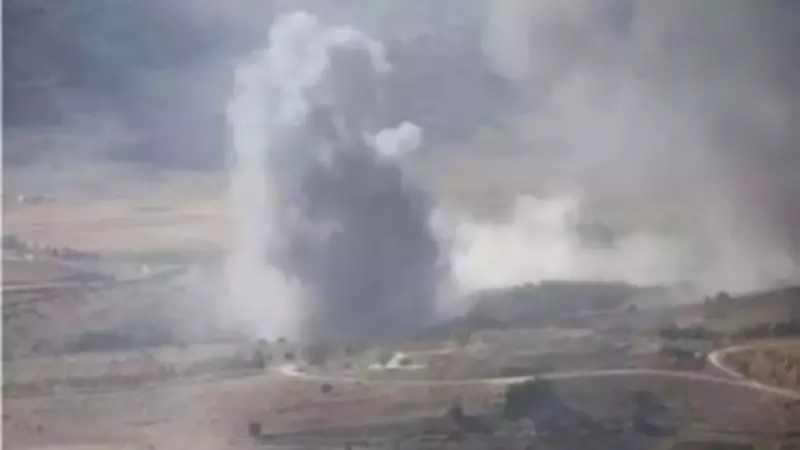
In a significant development, Israel's military has formally acknowledged that its tank fire struck a United Nations position in southern Lebanon on March 6, resulting in injuries to Ghanaian peacekeepers. This admission follows initial findings from an internal UN inquiry that had pointed to Israel's involvement in the attack, as reported by a Western military source to Reuters earlier this week.
Details of the Incident and Military Response
The incident occurred within the volatile region monitored by the UN Interim Force in Lebanon (UNIFIL), which is stationed along the demarcation line between Lebanon and Israel to oversee hostilities. In an official statement provided to Reuters, the Israel Defense Forces (IDF) confirmed that their troops were responsible for the tank fire. However, the military emphasized that this action was a direct response to anti-tank missile fire launched by Hezbollah, which had moderately wounded two Israeli soldiers earlier.
The IDF expressed regret over the incident, stating, "The IDF regrets the incident and has conveyed its apologies through the appropriate channels to Ghana and the UN." This acknowledgment marks a critical step in addressing the tensions that have escalated in the area, where cross-border skirmishes between Israeli forces and Hezbollah militants have become increasingly frequent.

Broader Context of Regional Hostilities
This event unfolds against a backdrop of heightened regional conflicts, including ongoing tensions between Israel and Iran. Recent developments have seen the United States targeting Iranian missile sites near the strategic Strait of Hormuz, while Iran has retaliated with attacks, including the use of cluster bombs on Tel Aviv. Additionally, the conflict has been further complicated by the confirmed death of Iran's national security chief, Ali Larijani, with President Pezeshkian offering condolences, and Israel admitting to a strike on an Iranian chief, fueling fears over oil security in the Hormuz region.
The UNIFIL mission plays a crucial role in maintaining stability in southern Lebanon, monitoring the ceasefire line established after the 2006 war between Israel and Hezbollah. The injury of peacekeepers underscores the persistent dangers faced by international forces in this conflict-prone zone, where military engagements often risk collateral damage to non-combatants and international personnel.
As investigations continue, the international community watches closely, with calls for de-escalation and adherence to peacekeeping protocols. This incident highlights the fragile nature of security in the Middle East and the challenges in balancing military responses with the protection of humanitarian and peacekeeping efforts.