

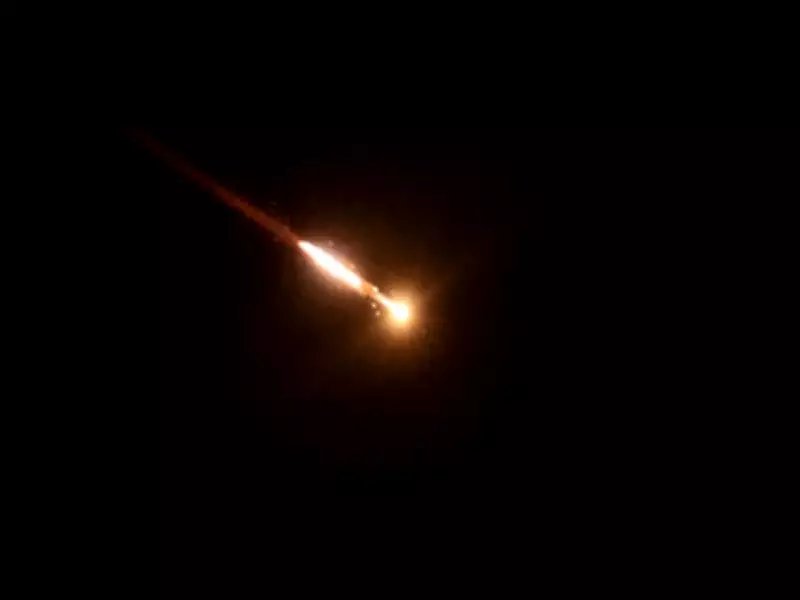
IRGC Retaliates with Strikes on Gulf Energy and Petrochemical Targets
In a significant escalation of regional tensions, Iran's Islamic Revolutionary Guard Corps (IRGC) has launched targeted strikes on energy and petrochemical sites across the Gulf. This military action is framed as a direct response to recent attacks on Iran's critical infrastructure, which Tehran has attributed to foreign adversaries. The IRGC has issued a stark warning, declaring that a second phase of operations is imminent and will be more devastating in its impact.
Details of the Gulf Operations
The IRGC's offensive targeted multiple facilities involved in the energy and petrochemical sectors throughout the Gulf region. While specific locations and the extent of damage have not been fully disclosed, the strikes are reported to have hit key installations that are vital to the area's economic and industrial operations. This move underscores Iran's capability and willingness to project power beyond its borders in retaliation for perceived aggressions.
"This is a calculated response to the attacks on our nation's infrastructure," an IRGC statement emphasized. "We will not tolerate threats to our sovereignty and will take all necessary measures to defend our interests." The operations highlight the ongoing volatility in the Gulf, a strategic waterway crucial for global energy supplies.

Escalation Warning and Regional Implications
In a concerning development, the IRGC has announced that a second phase of operations is planned, promising it will be even more severe. This warning raises alarms about potential further disruptions to energy markets and increased military confrontations in the region. Analysts suggest that such actions could exacerbate existing geopolitical rivalries and impact international relations, particularly with countries dependent on Gulf oil and gas exports.
The situation is closely monitored by global powers, as any escalation could have far-reaching consequences for regional stability and global security. The IRGC's stance reflects Iran's broader strategy of using asymmetric warfare and proxy forces to counter external pressures, including sanctions and diplomatic isolation.
Background and Context
This retaliation comes amid a series of incidents where Iran's infrastructure, including oil facilities and nuclear sites, has been targeted in alleged sabotage attacks. Tehran has often blamed these on Israel and other regional foes, though claims are typically met with denials. The IRGC's latest strikes signal a shift towards more overt military responses, moving beyond covert operations to direct assaults on economic assets.
As tensions simmer, the international community calls for restraint, but with the IRGC vowing a more devastating next phase, the risk of a broader conflict looms large. Stakeholders in the Gulf and beyond are urged to prepare for potential escalations that could disrupt energy flows and heighten security challenges.






