

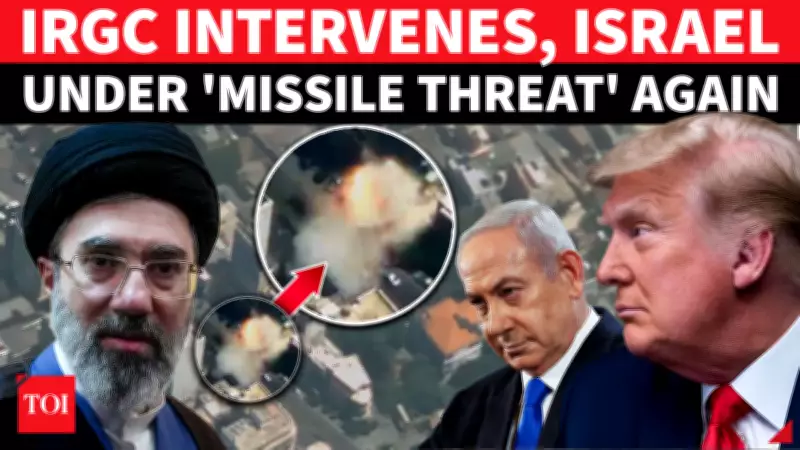
The Iran-United States peace deal is facing potential collapse as tensions escalate following Israeli airstrikes in Beirut. Tehran has issued a sharp warning after Israel targeted what it described as Hezbollah-linked infrastructure in the Dahiyeh district. The strikes have prompted Iran to accuse the United States of failing to restrain Israel during a critical phase of ongoing diplomatic efforts.
Iranian Response and Warnings
Iranian Parliament Speaker and senior negotiator Mohammad Ghalibaf stated that the Beirut strike demonstrated Washington's inability or unwillingness to fulfill its commitments. He cautioned that continued Israeli actions could undermine the future of diplomatic engagement between Tehran and Washington. Meanwhile, senior IRGC official Major General Yadollah Javani declared that Iran's armed forces are prepared to respond to any threat and issued strong warnings regarding security in the Persian Gulf and Strait of Hormuz.
IDF on High Alert
The Israel Defense Forces (IDF) have been placed on alert mode following the Beirut strike and subsequent Iranian threats. Reports indicate that Iran has confirmed attack preparations, with missiles reportedly locked on Israel. The situation remains volatile as both sides brace for potential escalation.

Regional Implications
The developments have raised concerns about broader regional stability. The Strait of Hormuz, a critical waterway for global oil shipments, is particularly at risk. Iran's warnings about security in the Persian Gulf highlight the potential for disruption to international trade. The international community is closely monitoring the situation, with calls for restraint from various quarters.
Hezbollah and Lebanon
The Israeli airstrikes targeted Hezbollah-linked infrastructure in Beirut's Dahiyeh district, a stronghold of the militant group. Hezbollah has not yet responded publicly, but its involvement could further complicate the conflict. Lebanon, already grappling with economic and political crises, faces additional instability.
Diplomatic Efforts at Risk
The Iran-US peace deal, which has been a cornerstone of diplomatic efforts in the region, now appears fragile. Ghalibaf's comments underscore Tehran's frustration with Washington's perceived lack of control over Israel. The future of negotiations hangs in the balance as both sides dig in their heels.
Global Reactions
World leaders have expressed concern over the escalating tensions. The United Nations has called for de-escalation, while European powers urge restraint. The United States has not yet issued a formal response to Iran's accusations but is reportedly engaged in behind-the-scenes diplomacy to prevent further conflict.
Military Readiness
Iran's IRGC has confirmed that its armed forces are fully prepared to respond to any Israeli aggression. Major General Javani emphasized that Iran will not hesitate to defend its interests and allies. The IDF, meanwhile, has bolstered its defenses and is conducting readiness drills. The situation remains fluid, with both sides poised for possible military action.






