

Iraqi Militia Intensifies Pressure on US Forces with Coordinated Strikes
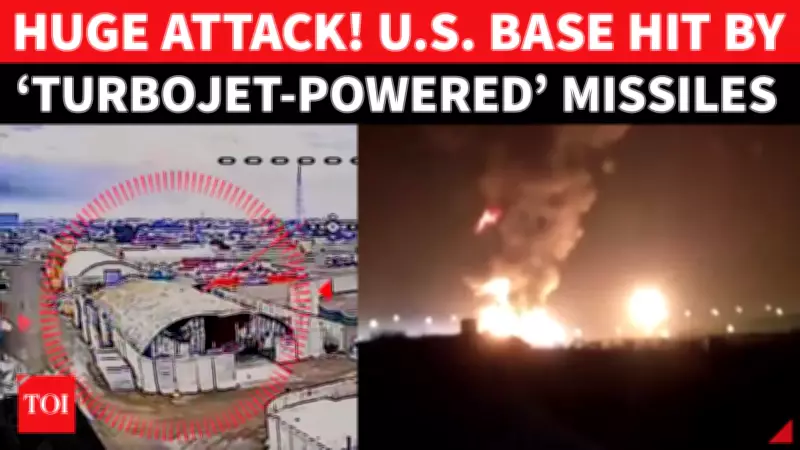
The Islamic Resistance of Iraq has dramatically escalated its campaign against American military presence, claiming responsibility for six coordinated strikes on US bases within a single 24-hour period. This aggressive move marks a significant intensification of hostilities, with explosions reported in Erbil following targeted kamikaze drone attacks aimed at American positions. A separate strike also impacted a US support facility located near Baghdad International Airport, further highlighting the breadth of the offensive.
Details of the Attacks and Regional Implications
While official casualty figures remain unconfirmed at this time, the scale and coordination of these assaults signal a clear and rising pressure on US forces stationed in Iraq. The militant group has explicitly stated that its operations will persist unabated until all foreign troops withdraw from Iraqi territory. With regional tensions already at a boiling point, these developments threaten to trigger wider instability across the Middle East, potentially drawing in other actors and escalating existing conflicts.
The use of kamikaze drones in Erbil represents a particularly concerning tactical evolution, demonstrating the group's access to and proficiency with advanced unmanned aerial technology. This capability allows for precise, hard-to-intercept attacks on strategic targets, posing a new level of threat to military installations and personnel.

Broader Context and Future Outlook
This surge in violence occurs against a backdrop of heightened geopolitical friction involving Iran, its allied militias, and Western powers. The Islamic Resistance of Iraq, believed to be part of the Iran-aligned axis, is leveraging these attacks to assert its influence and challenge US dominance in the region. Analysts warn that such coordinated strikes could provoke a forceful American response, risking a dangerous cycle of retaliation.
The situation remains fluid and highly volatile. Security forces are on high alert, and diplomatic channels are likely being activated to prevent further escalation. However, with the militant group vowing to continue its campaign, the immediate future appears fraught with the potential for additional confrontations and increased military activity.
Observers are closely monitoring the aftermath, as these events could reshape security dynamics not only in Iraq but throughout the broader Middle East, influencing international relations and regional power balances.






