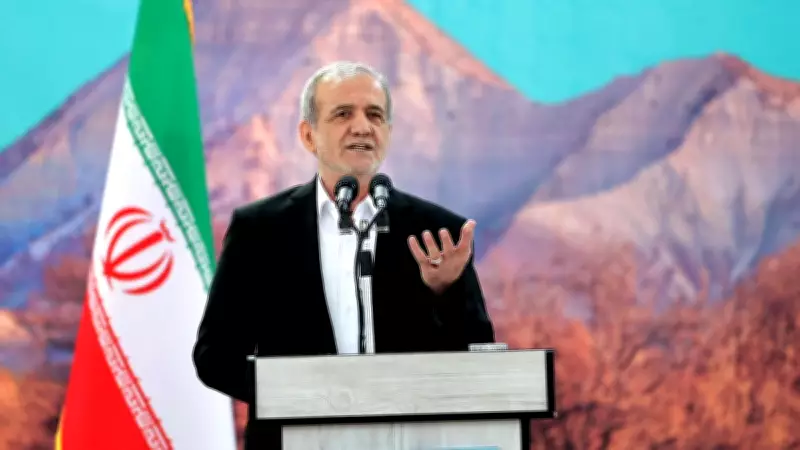
Iran Unveils Three-Point Plan to End West Asia Conflict, Urges Immediate Ceasefire
In a significant diplomatic move, Iran has proposed a comprehensive three-point plan aimed at ending the ongoing conflict in West Asia. The proposal, which was formally outlined by Iranian officials, calls for an immediate and permanent ceasefire, the complete lifting of the blockade on Gaza, and a United Nations-supervised referendum to determine the political future of the Palestinian people. This initiative comes amid escalating tensions and violence in the region, with Iran positioning itself as a key mediator in the crisis.
Key Demands in Iran's Proposal
The first term of Iran's plan emphasizes the necessity of an immediate and unconditional ceasefire to halt the bloodshed and humanitarian suffering. Iranian authorities argue that without a cessation of hostilities, any long-term solution is unattainable. The second term focuses on the humanitarian crisis in Gaza, demanding the full removal of the blockade to allow unrestricted access to aid, food, and medical supplies for the besieged population. This step is seen as critical for addressing the dire living conditions and preventing further loss of life.
The third and most contentious term involves a UN-administered referendum for Palestinians to decide their own political destiny. Iran insists that this process must be free, fair, and inclusive, giving Palestinians the right to self-determination without external interference. This proposal challenges the current political frameworks and could reshape the geopolitical landscape of the region if implemented.

Regional and International Reactions
Iran's proposal has sparked mixed reactions from regional and international stakeholders. Some countries have welcomed the initiative as a potential pathway to peace, while others view it with skepticism, citing Iran's historical involvement in regional conflicts. The United States and Israel, in particular, have expressed reservations, questioning the feasibility and motives behind the plan. However, Iran maintains that its terms are based on principles of justice and international law, and it urges the global community to support this effort to achieve lasting stability.
Analysts note that Iran's move could influence ongoing diplomatic efforts, such as those led by the United Nations and Arab states. The proposal adds a new dimension to the conflict resolution process, potentially forcing other actors to reconsider their positions. Despite the challenges, Iran's outline represents a bold attempt to break the deadlock and foster dialogue among conflicting parties.
Implications for the Future
If adopted, Iran's three-point plan could have profound implications for the West Asia region. An immediate ceasefire would provide much-needed relief to civilians and create an environment conducive to negotiations. Lifting the Gaza blockade would alleviate humanitarian suffering and rebuild trust between communities. A UN-supervised referendum, while politically complex, could offer a democratic solution to the long-standing Palestinian issue, though it faces significant logistical and political hurdles.
Iran has reiterated its commitment to peaceful resolution and called on all parties to engage constructively with its proposal. The success of this initiative will depend on the willingness of key players to compromise and prioritize humanitarian concerns over political interests. As the conflict continues to claim lives and destabilize the region, Iran's terms offer a potential framework for ending the war and building a more sustainable peace.