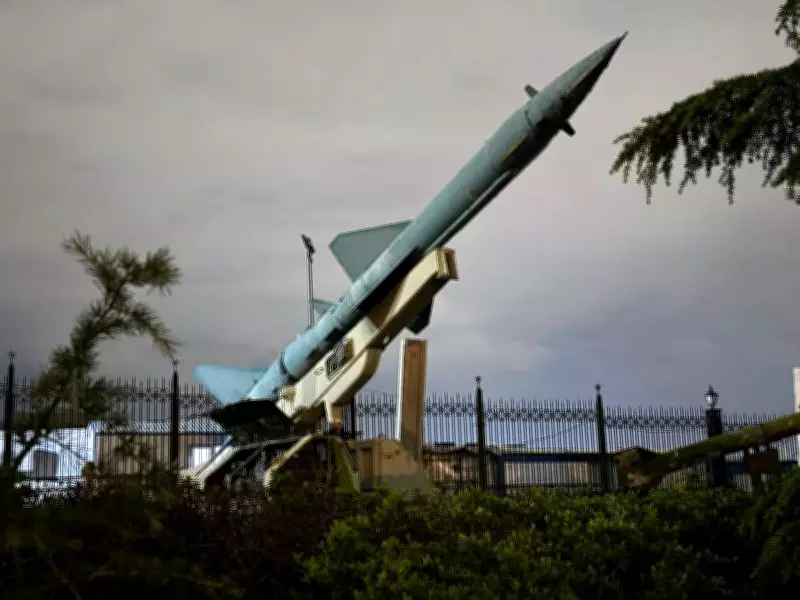
Sejjil Ballistic Missile: Iran's Solid-Fuel Strategic Deterrent
Iran's Sejjil ballistic missile represents a significant advancement in the nation's military capabilities, serving as a key component of its strategic deterrence posture. This solid-fuel missile system has garnered international attention due to its technical specifications and potential implications for regional security dynamics.
Technical Capabilities and Design
The Sejjil missile is a medium-range ballistic missile (MRBM) that utilizes solid fuel propulsion, distinguishing it from many older liquid-fuel systems. This design offers several operational advantages:
- Rapid Launch Capability: Solid-fuel missiles can be launched more quickly than their liquid-fuel counterparts, reducing preparation time and enhancing responsiveness in potential conflict scenarios.
- Extended Range: With an estimated range of approximately 2,000 kilometers, the Sejjil can reach targets across much of the Middle East, including Israel and U.S. military bases in the region.
- Improved Mobility: The missile's design allows for transport on mobile launchers, making it more difficult for adversaries to detect and target before launch.
These features collectively enhance Iran's strategic deterrence by providing a more reliable and responsive missile system that can potentially deliver conventional or other payloads to distant targets.

Strategic Importance and Geopolitical Context
The development and deployment of the Sejjil missile occur against a backdrop of ongoing regional tensions and international scrutiny of Iran's military programs. From a strategic perspective:
- Deterrence Enhancement: Iran positions the Sejjil as part of its defensive strategy, aimed at deterring potential attacks by demonstrating credible retaliatory capabilities.
- Technological Sovereignty: The missile represents Iran's efforts to develop indigenous military technology, reducing dependence on foreign suppliers and enhancing self-reliance in defense matters.
- Regional Balance: In a region where several nations possess advanced missile systems, the Sejjil contributes to what Iranian officials describe as maintaining a balance of power.
International reactions to the Sejjil program have been mixed, with some countries expressing concern about its potential to destabilize regional security, while others acknowledge Iran's right to develop defensive capabilities under international law.
Operational Considerations and Future Developments
While specific operational details remain closely guarded, analysts suggest that the Sejjil program continues to evolve. Potential areas of development include:
- Accuracy Improvements: Enhancements to guidance systems that could increase targeting precision.
- Payload Versatility: Adaptations that might allow for different types of warheads or multiple independently targetable reentry vehicles (MIRVs).
- Countermeasure Development: Systems designed to evade missile defense technologies deployed by regional adversaries.
The Sejjil's solid-fuel technology particularly concerns some security experts because it complicates early warning and interception efforts compared to liquid-fuel missiles that require more visible fueling procedures.
As Iran continues to develop its missile capabilities, the Sejjil remains a focal point in discussions about regional security architecture and non-proliferation efforts. Its existence underscores the complex interplay between national defense priorities and international stability concerns in one of the world's most volatile regions.