Iran's Mojtaba Khamenei Declares 'Not the Right Time for Peace' Amid Escalating Conflict
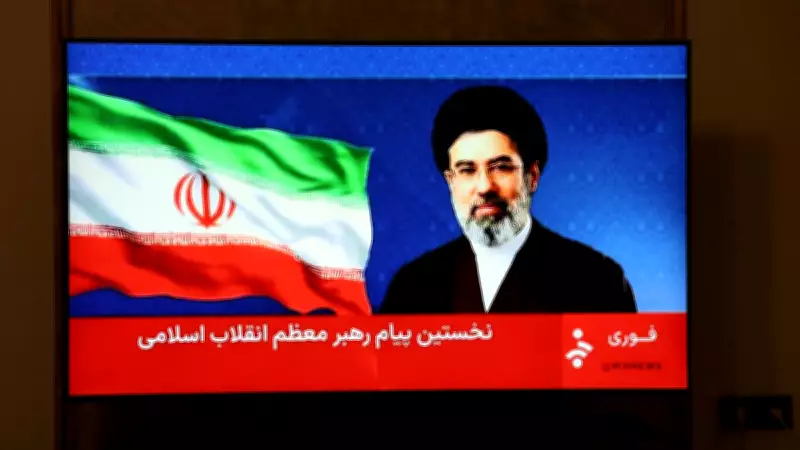
In a fiery statement that has reverberated across the geopolitical landscape, Mojtaba Khamenei, the influential son of Iran's Supreme Leader Ayatollah Ali Khamenei, has emphatically declared that this is not the right time for peace. Speaking against the backdrop of intensifying regional hostilities, he vowed to bring the United States and Israel to their knees, signaling a hardening stance from Tehran as conflicts rage on multiple fronts.
A Defiant Stance in a Volatile Region
The remarks come at a critical juncture, with tensions in the Middle East reaching a fever pitch. Mojtaba Khamenei, who holds significant sway within Iran's political and religious circles, framed the current situation as a pivotal moment for resistance. "We stand firm in our commitment to oppose foreign aggression," he asserted, underscoring Iran's long-standing adversarial posture toward Western powers and their allies in the region.
Analysts interpret this declaration as a clear message that Iran is doubling down on its strategic objectives, rather than seeking diplomatic off-ramps. The vow to bring the US and Israel to their knees is seen not just as rhetoric but as a reflection of Tehran's broader military and proxy strategies, which have been instrumental in shaping conflicts from Syria to Yemen.

Context of Ongoing Conflicts and Regional Implications
This statement is set against a complex tapestry of ongoing conflicts that have drawn in multiple state and non-state actors. Key points include:
- Proxy Warfare: Iran's support for groups like Hezbollah and Houthi rebels has been a cornerstone of its foreign policy, exacerbating regional instability.
- Nuclear Tensions: Stalled negotiations over Iran's nuclear program add another layer of urgency, with the US and Israel viewing Tehran's ambitions as a direct threat.
- Domestic Pressures: Inside Iran, economic challenges and political unrest may be influencing such hawkish statements to rally nationalist sentiment.
The timing of Khamenei's vow is particularly significant, as it coincides with increased military posturing and sporadic clashes that risk spiraling into broader confrontations. Experts warn that such rhetoric could further inflame an already volatile situation, making de-escalation efforts more challenging.
International Reactions and Future Outlook
Reactions from the international community have been swift, with US and Israeli officials likely to view this as a provocation that necessitates a robust response. The declaration underscores the deep-seated animosities that continue to define Middle East politics, where peace initiatives often falter amid mutual distrust and strategic calculations.
Looking ahead, the path forward appears fraught with uncertainty. While some voices advocate for renewed dialogue, Khamenei's stance suggests that Iran is preparing for prolonged confrontation. The implications extend beyond immediate conflicts, potentially affecting global oil markets, diplomatic alliances, and security frameworks in the region.
In conclusion, Mojtaba Khamenei's vow to bring the US and Israel to their knees marks a stark reminder of the enduring hostilities in the Middle East. As conflicts rage on, his declaration that it's not the right time for peace signals a period of heightened tensions, with far-reaching consequences for regional and international stability.