Iran Launches Major Retaliatory Strike with Advanced Missiles in 'Larijani Revenge' Operation
In a significant escalation of regional hostilities, Iran has initiated a large-scale military operation, codenamed "Larijani Revenge," as part of its broader "Operation True Promise 4." The Islamic Revolutionary Guard Corps (IRGC) launched this offensive on March 18, 2026, targeting Israeli and United States assets across the Middle East with a barrage of advanced missiles and drones. This move marks one of the most intense strike waves in recent times, heightening concerns about a potential wider conflict.
Details of the Missile Barrage and Weapon Systems Deployed
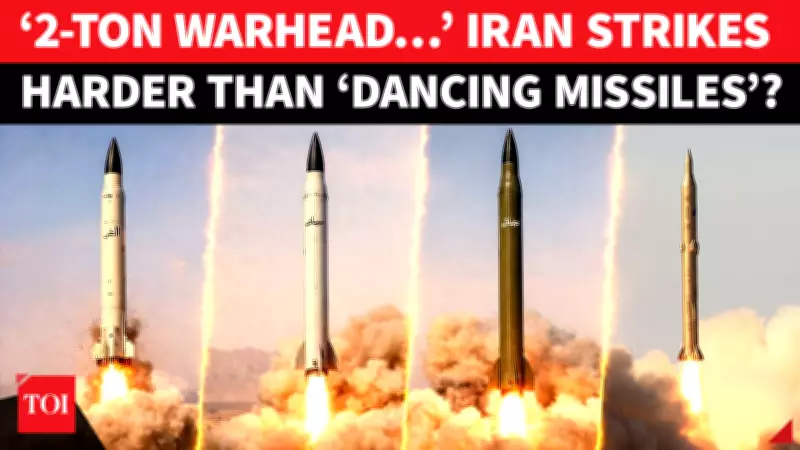
Reports from the region indicate that Iran deployed a range of sophisticated weaponry in this coordinated assault. Key systems used include the Khorramshahr and Ghadr missiles, alongside hypersonic-class weapons. Notably, Iranian media has highlighted the use of a "2-ton monster" missile, described as heavier than the previously known "dancing missiles," suggesting a new level of firepower in Tehran's arsenal. The operation is framed as a direct retaliation for recent attacks, with Iranian officials stating it serves as a tribute to victims, including references to incidents like the death of Mojtaba, a four-day-old infant killed in his mother's arms.
Regional Impact and Escalating Tensions
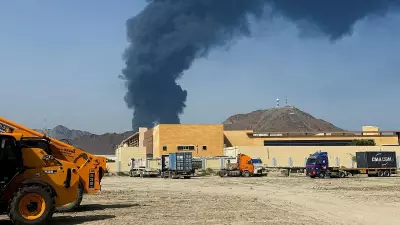
The strikes have targeted multiple locations, including Israeli towns, U.S. military bases, and oil sites in the UAE, with videos surfacing showing explosions in areas like Jerusalem and the Gulf. This escalation follows a series of related events, such as Hezbollah's missile attacks on Israeli airbases and Iraqi resistance drones breaching the U.S. Embassy in Baghdad. The situation has drawn international attention, with reactions from global powers; for instance, China has reportedly urged de-escalation in the Strait of Hormuz crisis, while U.S. officials face scrutiny over defense strategies. The operation raises alarms about the stability of the region, as fears grow that continued hostilities could spiral into a broader war involving multiple state and non-state actors.