Iran's Cheap Drones Reshape Modern Warfare from Ukraine to the Gulf
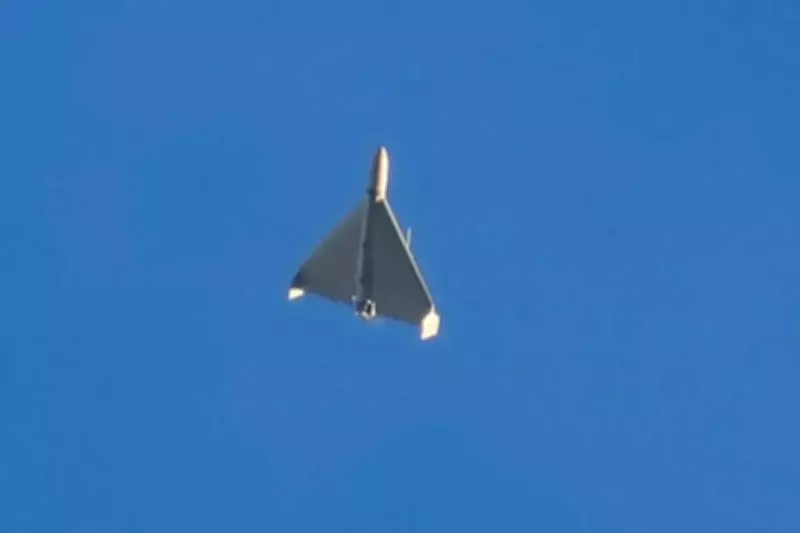
The distinctive, ominous buzz of Iranian Shahed drones, a familiar sound over Ukrainian skies for years, has now become a common auditory backdrop over the Persian Gulf. Tehran has escalated its deployment of these unmanned aerial vehicles in retaliation to recent US and Israeli military actions, targeting multiple Gulf nations and signaling a significant shift in regional conflict strategies.
Affordable Arsenal: The Shahed Drone's Game-Changing Capabilities
Shahed drones are characterized by their small size, relatively low cost, and ability to carry up to 40 kilograms of explosives. While slower than conventional missiles, their affordability and the capacity for mass production enable Iran to launch them in overwhelming numbers, effectively saturating and straining sophisticated air defense systems. These drones represent a transformative element in contemporary warfare, integrating surveillance functions, precision strike capabilities, and AI-enhanced targeting technologies to create a versatile and persistent threat.
From Ukraine to Global Deployment: The Drone's Expanding Footprint
Russia has utilized Shahed drones extensively in its conflict with Ukraine since early 2022. After initial imports from Iran, Russia developed its domestic variant, the Geran, which is produced in large quantities in Tatarstan. These drones are frequently deployed in coordinated swarms, designed to distract and deplete enemy air defenses, thereby creating openings for more expensive missile systems and inflicting consistent, cumulative damage. Ukraine has countered with adaptive tactics, including mobile machine-gun teams and interceptor drones, yet the sheer volume of attacks continues to challenge its defensive resources.

Gulf Escalation: Iran's Retaliatory Strikes and Regional Impact
In response to US and Israeli attacks over a recent weekend, Iran launched a coordinated assault targeting Israel, Saudi Arabia, Bahrain, Kuwait, Qatar, and the United Arab Emirates. These strikes focused on critical infrastructure such as ports, oil facilities, military bases, airports, and even some high-rise buildings. In Dubai alone, air defense systems intercepted 165 ballistic missiles, two cruise missiles, and over 540 drones across a two-day period, though falling debris ignited fires at multiple locations, highlighting the collateral risks of such large-scale interceptions.
Far-Reaching Threats: Drones Extend to European Territory
The reach of Iran's drone operations has extended beyond the immediate region, with some drones penetrating as far as the UK Royal Air Force base in Akrotiri, Cyprus. Sirens were activated on consecutive days as Iranian drones approached and were subsequently intercepted, underscoring the expanding geographical scope of these low-cost aerial threats and their potential to involve European territories in Middle Eastern conflicts.
This proliferation of cheap, effective drones is fundamentally altering the landscape of modern warfare, enabling state and non-state actors to project power and challenge established military hierarchies with asymmetric tactics that prioritize quantity and persistence over traditional technological superiority.