

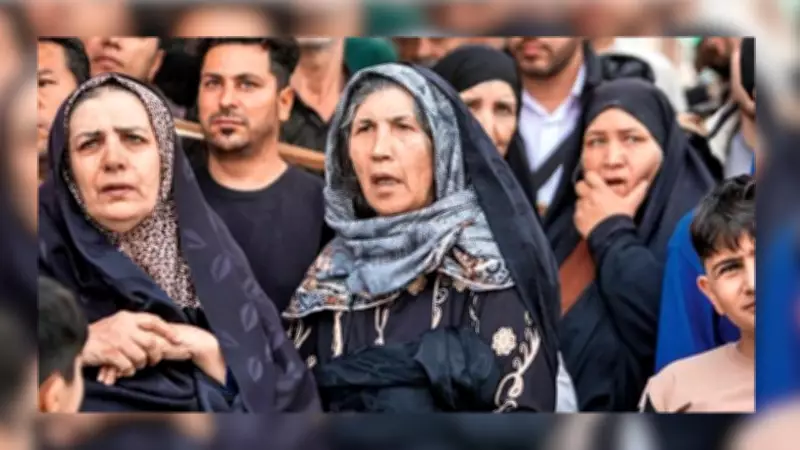
Iranian Families Flee Tehran as War Fears Intensify Among Diaspora in India
With the West Asia conflict now entering its second month, residents of Iran's capital, Tehran, are gripped by escalating fear and uncertainty. Ambiguous statements from Washington and threatening rhetoric from Tel Aviv have compounded their anxiety, creating a palpable sense of dread across the city.
Panic and Evacuation in the Capital
Iranian nationals residing in India have reported to TOI that their loved ones back home have begun evacuating residential areas in Tehran. A widespread belief among the population suggests an imminent ground assault by "enemy" forces in the coming days, prompting many to seek refuge in safer rural regions.
"There is panic. People are deeply worried," said Roya, an Iranian national living in Mumbai with her husband. "No one knows whether the current talk of ceasefire negotiations will lead to a pause in air strikes by the US and Israel. Many families, including mine, have started leaving their homes in Tehran for 'safer' rural areas up north."

Roya explained that her family and friends are not waiting for the ten-day period announced by US President Donald Trump before potential escalation. Instead, some have already relocated to ancestral villages far from the capital, anticipating more aggressive military actions.
Rationing and Communication Struggles
Reza, an Iranian living in Bengaluru for four years, described how residents in Tehran have begun rationing groceries and essential supplies. "They have witnessed intense bombing and are scared," he stated. "We learned from the Iraq war to collect rations, especially dry goods, for at least two months. While there's no food shortage yet, people have stopped trusting Trump."
Reza added that nightly bombings have fueled fears of a ground assault at any moment. His family managed a brief two-minute call on Thursday, highlighting a critical issue: "One major problem is the lack of connectivity. Incoming calls into Iran from abroad are still not allowed."
However, the Iranian government has partially eased communication restrictions by permitting video calls on social media apps. An Iranian woman in Delhi shared, "Thankfully, I saw my family's faces via a video call on Bale App on Friday after almost a month. We couldn't talk—we only wept. Only God knows what will happen next."
Broader Implications and Regional Tensions
The situation reflects heightened regional tensions, with former US President Donald Trump criticizing NATO spending amid the conflict, and Senator Marco Rubio suggesting the war could end in "weeks, not months" without ground troops. Meanwhile, Iran's envoy has reiterated that nuclear weapons are forbidden and urged India to mediate.
As families disperse and communication remains sporadic, the Iranian diaspora in India watches helplessly, their fears magnified by each ambiguous development in a conflict that shows no signs of abating.






