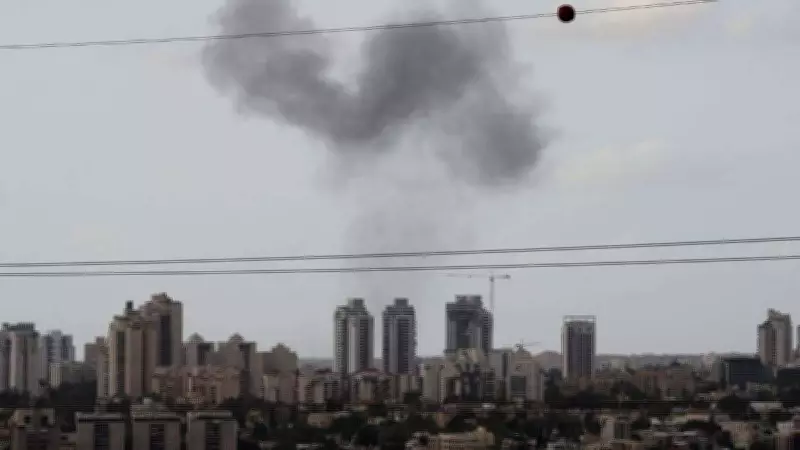
Airstrikes Severely Disrupt Border Life as Iranians Cross into Iraq for Essentials and Internet
Ongoing airstrikes have created a dire situation along the Iran-Iraq border, severely disrupting daily life and forcing Iranian residents to cross into neighboring Iraq to access basic necessities and internet connectivity. This development underscores the profound humanitarian impact of the escalating conflicts in the region, with civilians bearing the brunt of the instability.
Essential Supplies and Connectivity Become Scarce in Iran
The airstrikes, which have intensified in recent weeks, have targeted key infrastructure and supply routes in border areas of Iran. This has led to significant shortages of essential goods, including food, medicine, and fuel, making it increasingly difficult for local populations to sustain their daily lives. Reports indicate that markets and distribution networks have been severely hampered, leaving many Iranians with no choice but to seek alternatives across the border.
In addition to material shortages, the airstrikes have disrupted telecommunications and internet services in affected regions. This loss of connectivity has isolated communities, cutting them off from vital information, communication with loved ones, and access to online services. As a result, crossing into Iraq has become a necessity not only for physical supplies but also for digital access, highlighting the multifaceted challenges faced by residents.

Cross-Border Movements Highlight Humanitarian Crisis
The influx of Iranians into Iraq for essentials and internet access points to a growing humanitarian crisis. Border crossings have seen a notable increase in traffic, with individuals and families making arduous journeys to secure basic needs. This movement is straining resources in Iraqi border towns, which are themselves grappling with economic and security challenges.
Local authorities in Iraq have reported that the sudden surge in cross-border activity is putting pressure on their infrastructure and services. Humanitarian organizations are raising concerns about the lack of adequate support for both the incoming Iranians and the host communities, calling for immediate international attention to address the escalating needs.
Regional Stability and International Response
The disruptions caused by the airstrikes are exacerbating tensions in an already volatile region. The cross-border movements underscore how conflicts can spill over national boundaries, affecting neighboring countries and destabilizing entire areas. Analysts warn that without a coordinated response, the situation could lead to further humanitarian suffering and security risks.
International observers are urging for diplomatic efforts to de-escalate the conflicts and provide humanitarian aid to affected populations. The need for sustainable solutions is becoming increasingly urgent, as prolonged disruptions could have long-term consequences for regional stability and the well-being of civilians caught in the crossfire.
In summary, the airstrikes along the Iran-Iraq border have forced Iranians to cross into Iraq for essentials and internet access, highlighting a severe humanitarian crisis. This situation calls for immediate action to address the needs of displaced populations and restore stability in the region.