Iran's Supreme Leader Issues Stark Warning to United States Amid Rising Tensions
In a significant escalation of rhetoric, Iran's Supreme Leader Ayatollah Seyyed Ali Khamenei has issued a direct warning to the United States, cautioning that any military action could trigger a broader regional conflict. Speaking on Sunday, Khamenei stated emphatically, "The Americans should know if they start a war, this time it will be a regional war." This statement underscores the heightened stakes in the ongoing diplomatic and military standoff between the two nations.
Khamenei Dismisses US Military Posturing as "Nothing New"
Addressing recent US military deployments, including the dispatch of warships and aircraft to the Middle East, Khamenei dismissed such actions as "nothing new." He emphasized Iran's defensive posture, asserting, "We are not the initiators of war. We do not seek to oppress anyone... anyone who seeks to attack or cause harm will face a decisive blow from the Iranian nation." This rhetoric highlights Iran's strategy of portraying itself as a victim of aggression while preparing for potential confrontations.
Trump Responds with Optimism for a Diplomatic Resolution
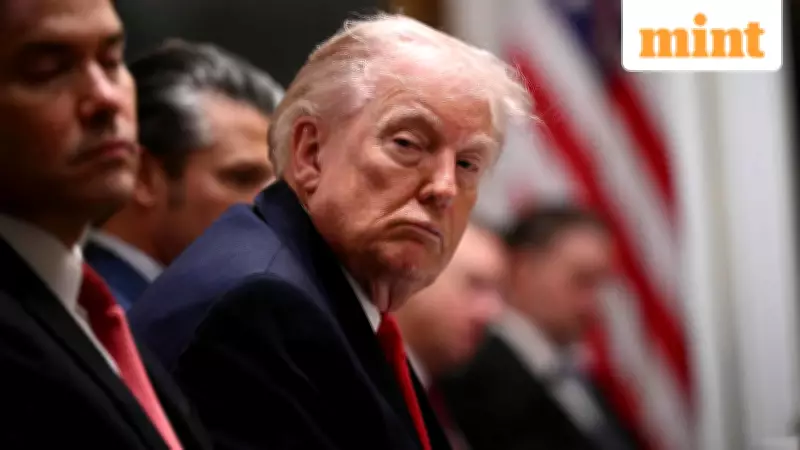
In response to Khamenei's warning, US President Donald Trump struck a more conciliatory tone, expressing hope for a negotiated agreement. When questioned about the Iranian leader's threats, Trump remarked, "Of course he is going to say that. Hopefully, we'll make a deal. If we don't make a deal, then we'll find out whether or not he was right." This comment reflects the Trump administration's dual approach of maintaining military pressure while keeping diplomatic channels open.

Background of Escalating Tensions and Military Moves
The current tensions have been fueled by recent events, including Trump's earlier threats of military action and the deployment of an aircraft carrier group to the Middle East. This move followed Iran's deadly response to anti-government protests that peaked last month, adding to the volatile situation. The interplay of military posturing and diplomatic overtures continues to shape the dynamic between Washington and Tehran.
Key Points in the Iran-US Standoff
- Khamenei's warning of a regional war if the US initiates conflict.
- Iran's claim of a defensive stance, denying any intent to start a war.
- Trump's hopeful outlook for a deal, despite the harsh rhetoric from Iran.
- Ongoing military deployments by the US in the Middle East as a show of force.
- The historical context of protests and Iran's internal crackdown contributing to tensions.
As the situation evolves, both nations are navigating a delicate balance between confrontation and negotiation, with global implications for stability in the Middle East. Observers are closely monitoring developments, as any miscalculation could have far-reaching consequences.