

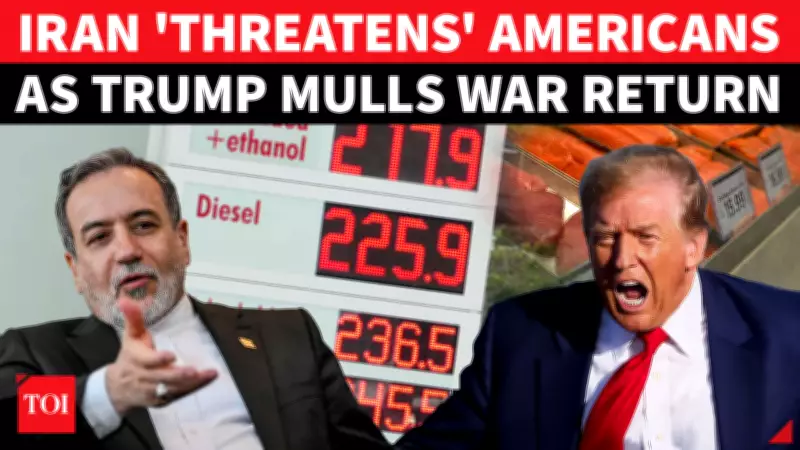
Iran's Foreign Minister Abbas Araghchi has issued a strong warning to the United States, claiming that Americans will face rising economic costs due to what he describes as a 'war of choice' on Iran. In a post on X, Araghchi argued that the impact went beyond higher gasoline prices, predicting deeper financial strain through rising U.S. debt costs, mortgages, and consumer loans.
Economic Fallout from Middle East Tensions
His remarks come amid continued tensions in the Middle East, where disruptions linked to the Strait of Hormuz have contributed to volatility in global oil supplies and fuel prices. According to recent reports, U.S. consumers are already experiencing higher grocery and energy costs, with food inflation hitting multi-year highs. Diesel and gasoline prices have also surged, affecting transport and agricultural supply chains.
Broader Implications for U.S. Economy
The Iranian minister's statement highlights the potential for a prolonged conflict to exacerbate inflationary pressures in the United States. Analysts warn that sustained increases in energy costs could lead to higher interest rates, further straining household budgets and slowing economic growth. The situation remains fluid, with both nations signaling continued confrontation.







