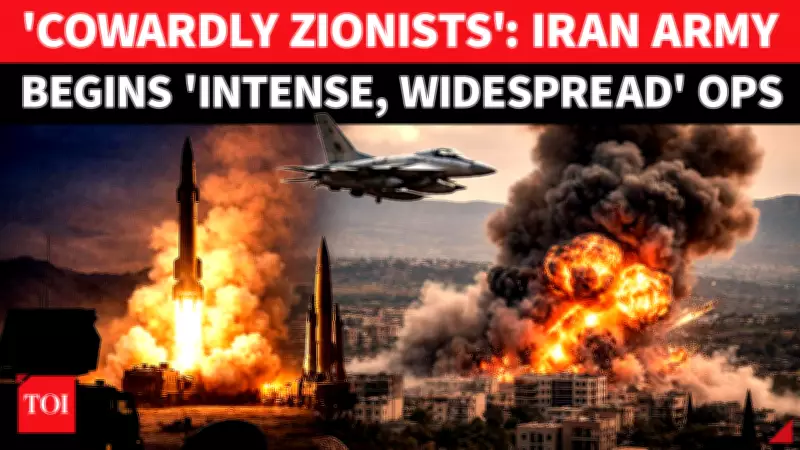
Iran Issues Stark Warning of Escalated Strikes Against Israel and the U.S.
In a significant escalation of hostilities in the Middle East, Iran has issued a dire warning of more intense and widespread attacks against Israel and the United States. Lieutenant Colonel Ibrahim Zolfaghari of Iran's Khatam al-Anbiya Central Headquarters declared that future assaults will be "stronger, wider, and more relentless," following claims of successful missile and drone strikes on multiple U.S. and Israeli targets.
Claims and Counterclaims in the Conflict
Iranian military officials assert that their forces have intercepted several advanced enemy aircraft and drones, inflicting substantial damage. However, U.S. authorities have firmly denied any such losses, creating a stark contrast in the narrative of the ongoing conflict. This discrepancy highlights the volatile and opaque nature of the military engagements, with both sides presenting conflicting accounts of the battlefield outcomes.
Retaliatory Strikes and Regional Implications
In response to Iran's actions, Israel and the U.S. have launched retaliatory strikes targeting Iranian naval installations and drone facilities. These countermeasures are part of a broader pattern of escalation that risks drawing in other regional actors and exacerbating instability across the Middle East. The situation remains fluid, with fears of further military confrontations and potential spillover effects into neighboring countries.

The conflict has already seen related developments, such as intensified fighting in South Lebanon involving Hezbollah and Israeli forces, and claims of attacks on U.S. assets in the region. These incidents underscore the interconnected nature of the hostilities and the potential for a wider regional war.
Diplomatic Tensions and Economic Fallout
Amid the military clashes, diplomatic rhetoric has grown increasingly heated. Iranian diplomats have made provocative statements, including criticism of U.S. political figures and warnings against ground assaults. Additionally, there are reports that Arab states are considering pulling back investments from the U.S. due to heightened security spending driven by the Iran conflict, indicating potential economic repercussions.
Satellite imagery has reportedly shown the impact of Iran's missile strikes on a U.S. military base in Kuwait, adding a visual dimension to the claims of damage. As tensions mount, the international community watches closely, concerned about the prospects for de-escalation and the humanitarian costs of prolonged warfare.