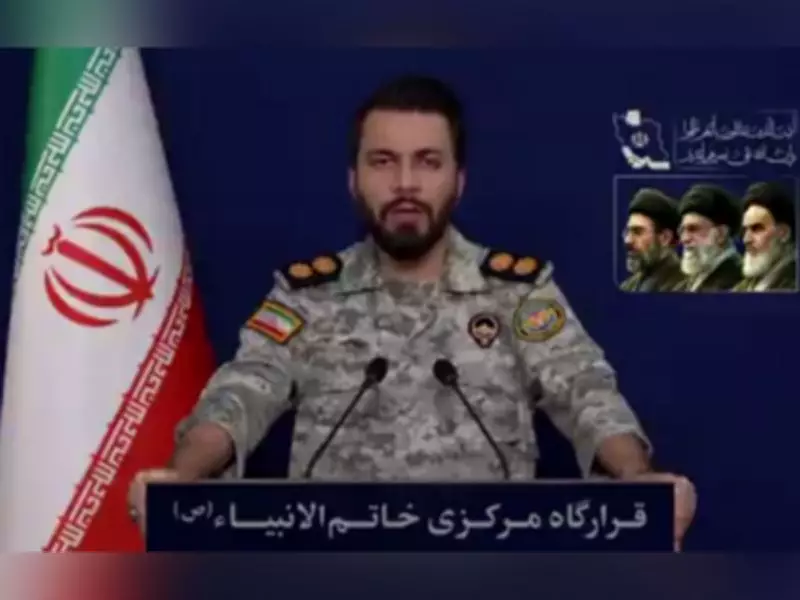
Iran's Military Issues Stark Warning Over Energy Assets
In a significant escalation of geopolitical tensions, Iran's military has issued a direct and unambiguous warning to the United States and Israel. The announcement states that if Iranian energy assets are targeted, the Islamic Republic will respond by striking oil infrastructure belonging to these nations. This declaration underscores the volatile security situation in the Middle East and the critical role of energy resources in regional conflicts.
Direct Threat to US and Israeli Interests
The military's statement, delivered through official channels, explicitly names the United States and Israel as potential targets for retaliatory action. It emphasizes that any attack on Iran's oil facilities, refineries, or other energy-related infrastructure will be met with a proportional and decisive military response. This threat highlights the strategic importance of oil and gas assets in Iran's national security calculus and its willingness to use them as leverage in international disputes.
The warning comes amid ongoing regional instability and heightened military posturing by various actors. Analysts suggest that this move is intended to deter potential aggression by signaling Iran's capability and resolve to defend its economic lifelines. The country's energy sector is a cornerstone of its economy, and any disruption could have severe domestic and international repercussions.

Background of Rising Tensions
This development is not isolated but part of a broader pattern of escalating confrontations in the Middle East. Recent months have seen increased military activities, including drone strikes, naval incidents, and diplomatic standoffs involving Iran, the US, Israel, and their allies. The threat to target oil infrastructure adds a new dimension to these conflicts, given the global reliance on Middle Eastern energy supplies and the potential for widespread economic disruption.
International observers are closely monitoring the situation, concerned about the risk of a broader conflict. The US and Israel have historically viewed Iran's military ambitions and regional influence with suspicion, leading to a cycle of threats and counter-threats. Iran's latest warning is seen as a strategic message to assert its sovereignty and deter external interventions.
Potential Implications and Global Concerns
The prospect of attacks on oil infrastructure raises alarm bells for global energy markets and security. Key implications include:
- Economic Impact: Disruptions to oil production or transportation could lead to price volatility and supply shortages, affecting economies worldwide.
- Security Escalation: Such actions could trigger a military confrontation with unpredictable consequences, potentially drawing in other regional powers.
- Diplomatic Fallout: The warning complicates ongoing diplomatic efforts, such as nuclear negotiations, and could harden positions on all sides.
In response, the international community, including organizations like the United Nations, may call for restraint and dialogue to prevent further escalation. However, with both sides demonstrating a willingness to engage in brinkmanship, the path to de-escalation remains uncertain.
This article is based on reports from credible sources, including The Tribune, and reflects the latest developments in this high-stakes geopolitical standoff. As tensions simmer, the world watches anxiously, hoping for a peaceful resolution to avoid a catastrophic conflict in one of the globe's most volatile regions.