

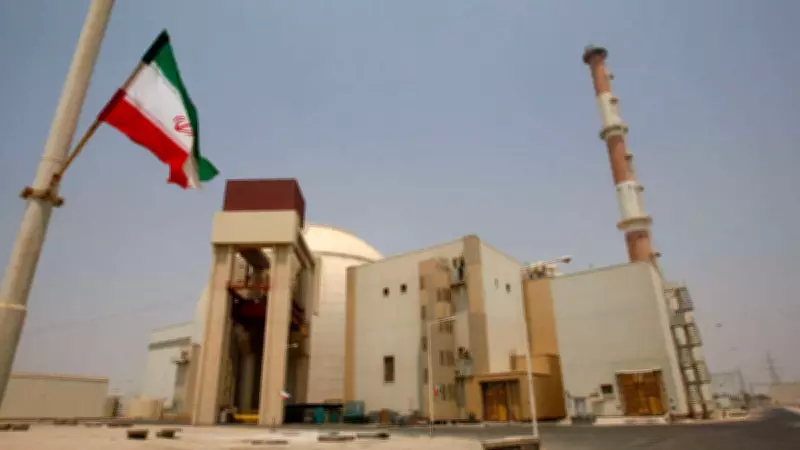
Iran Issues Dire Warning on Radioactive Fallout Targeting Gulf Capitals
In a chilling statement following a recent strike on a nuclear facility, Iran has issued a stark warning that any attack on its nuclear installations would result in catastrophic radioactive fallout. The fallout, according to Iranian officials, would primarily devastate the capitals of Gulf nations, while Tehran would be largely spared from the worst effects.
Details of the Warning and Strike Incident
The warning comes in the aftermath of an alleged strike on an Iranian nuclear plant, which has heightened tensions in the region. Iranian authorities have emphasized that the design and location of their nuclear facilities mean that in the event of an attack, radioactive materials would be carried by prevailing winds towards the Gulf states. This would lead to severe environmental and health crises in cities like Riyadh, Abu Dhabi, and Doha, potentially ending life as we know it in these metropolitan areas.
Iranian officials stated that Tehran, due to its geographical positioning and wind patterns, would experience minimal impact compared to the Gulf capitals. This assertion is based on meteorological studies and the strategic placement of nuclear sites, which are reportedly designed to mitigate risks to the Iranian capital.

Regional and Global Implications
The warning has sent shockwaves through the international community, raising concerns about the escalating volatility in the Middle East. Key implications include:
- Increased diplomatic tensions between Iran and Gulf Cooperation Council (GCC) countries, which have long been at odds over nuclear proliferation and regional influence.
- Potential disruptions to global oil supplies, as the Gulf region is a critical hub for energy production, and any environmental disaster could halt operations.
- A call for heightened security measures and international mediation to prevent such a scenario, with organizations like the United Nations likely to be involved in de-escalation efforts.
Experts warn that this situation underscores the fragile nature of nuclear security in conflict-prone areas. The possibility of radioactive fallout affecting densely populated cities highlights the urgent need for diplomatic solutions and robust safety protocols.
Background and Context
Iran's nuclear program has been a point of contention for decades, with international sanctions and agreements like the Joint Comprehensive Plan of Action (JCPOA) aiming to curb its development. The recent strike, which Iran attributes to hostile actors, has reignited fears of a broader conflict. Historically, Iran has maintained that its nuclear activities are for peaceful purposes, but adversaries view them as a threat to regional stability.
The warning about radioactive fallout is not the first of its kind; similar statements have been made in the past during periods of heightened tension. However, the specificity regarding Gulf capitals adds a new dimension to the rhetoric, potentially aiming to deter future attacks by highlighting the collateral damage to neighboring states.
As the situation evolves, the international community is closely monitoring developments, with many urging restraint and dialogue to avoid a humanitarian and environmental catastrophe. The stakes are incredibly high, and the need for peaceful resolution has never been more critical.






