Middle East Conflict Escalates into Global Crisis as Oil Prices Soar
The military confrontation between Iran, Israel, and the United States has rapidly intensified into one of the most dangerous regional crises in recent years, with profound implications for global energy markets and international stability. What began as coordinated airstrikes on February 28th has now evolved into a multi-front conflict threatening to destabilize the entire Middle East region.
Conflict Origins and Immediate Fallout
The war commenced when American and Israeli forces launched simultaneous aerial attacks across Iran, resulting in the death of Supreme Leader Ali Khamenei. This unprecedented strike triggered immediate retaliation from Tehran, which has since deployed waves of missile and drone assaults targeting Israeli military positions and critical shipping routes through the strategically vital Strait of Hormuz.
This narrow waterway serves as a crucial global energy corridor, facilitating approximately one-fifth of worldwide oil transportation. The disruption has sent shockwaves through international markets, causing oil prices to spike dramatically and forcing several major economies to tap into their strategic petroleum reserves to mitigate supply shortages.

Regional Escalation and Military Developments
The conflict has expanded beyond its initial parameters, with Iranian forces targeting commercial vessels in the Persian Gulf and threatening economic infrastructure linked to both the United States and Israel. Iranian officials have warned that this confrontation could transform into a prolonged war of attrition with severe consequences for the global economy.
In a significant development, Iran's Islamic Revolutionary Guard Corps Navy claimed to have struck the USS Abraham Lincoln with ballistic missiles, allegedly causing substantial damage and forcing the American aircraft carrier to withdraw from Gulf waters. Washington has categorically denied these claims, maintaining that the carrier remains fully operational and continues to support Operation Epic Fury.
Geographic Spread and Civilian Impact
The violence has spread across the region, with explosions reported in multiple Middle Eastern capitals. A powerful blast shook buildings in Dubai, sending a large smoke cloud over the financial hub's central district. Simultaneously, Saudi Arabia reported that its air defense systems intercepted dozens of drones entering its airspace as Iran expanded retaliatory strikes against oil-rich Gulf nations.
In Qatar, authorities evacuated key areas as a precautionary measure after intercepting missile attacks targeting Doha. Residents in the capital's Musheireb district received emergency alerts instructing them to immediately evacuate to safer locations. Similar explosions were reported in Baghdad as the conflict entered its second week.
Diplomatic Tensions and Economic Implications
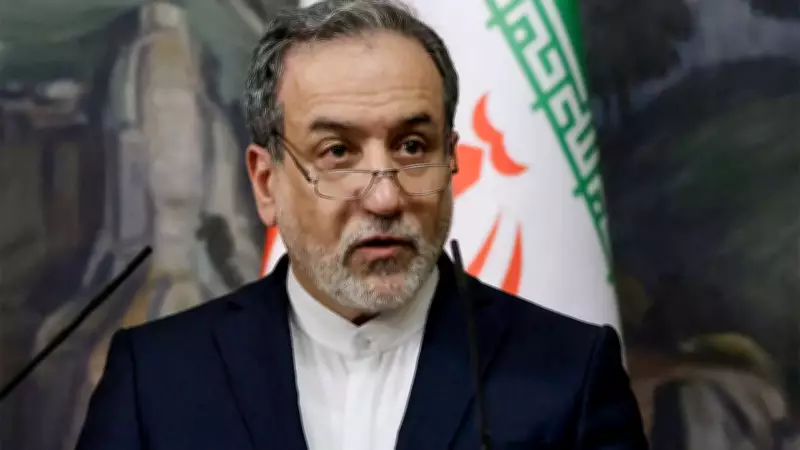
Iranian Foreign Minister Seyed Abbas Araghchi has launched scathing criticism against the United States, accusing Washington of hypocrisy regarding Russian oil imports. Araghchi claimed that after months of pressuring nations including India to halt Russian oil purchases, the US is now "begging" countries to buy Russian crude to stabilize global markets disrupted by the Middle East conflict.
The Iranian diplomat also criticized European nations, alleging they supported what Tehran describes as an "illegal war" against Iran in expectation of American backing against Russia. Meanwhile, US President Donald Trump has issued fresh warnings to Iran via social media, describing recent American military actions as having inflicted "great honor" while threatening further escalation.
Humanitarian Consequences and Regional Spillover
The conflict has already resulted in significant human casualties and displacement. In southern Lebanon, an Israeli strike on a health center reportedly killed twelve people, highlighting how the violence has spread beyond the immediate Iran-Israel-US triangle. Hezbollah has launched attacks against Israel from Lebanese territory, prompting retaliatory strikes and raising concerns about broader regional involvement.

As diplomatic efforts at the United Nations Security Council stall, fears are mounting that the conflict could widen further, potentially triggering a major global economic shock. The combination of disrupted energy supplies, regional instability, and escalating military actions presents one of the most serious international crises in decades, with implications extending far beyond the Middle East.