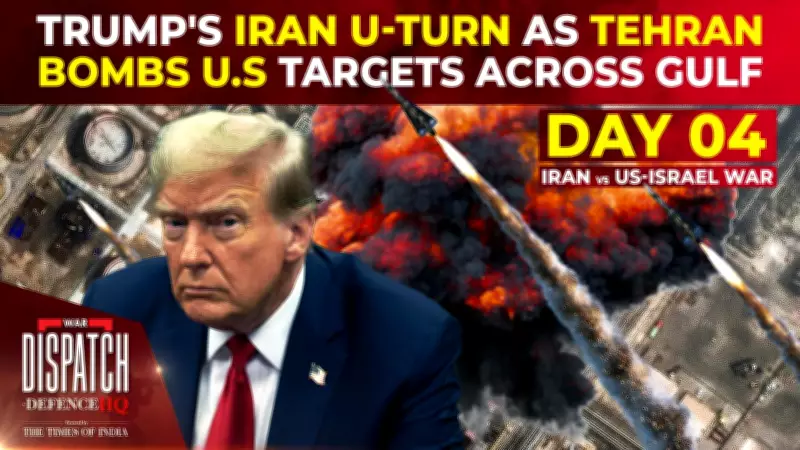
Iran-US Conflict Intensifies on Day Four with Missile Strikes and Evacuations
The fourth day of the escalating war between Iran and the United States has brought a significant and dangerous turn of events, with Iranian forces launching missile attacks on American-linked military bases across the Gulf region. In response, the U.S. government has issued urgent directives for American citizens to evacuate immediately from multiple Middle Eastern nations, as embassies shutter their operations and emergency evacuations commence.
Washington Orders Immediate Departure Amid Embassy Closures
President Donald Trump has publicly warned that the conflict could expand further, even as he attempts to downplay the necessity of deploying ground troops. The White House has mandated a "DEPART NOW" order for Americans residing in or visiting several countries within the volatile Middle East, reflecting heightened security concerns. This move comes as U.S. diplomatic missions in the area close their doors, prioritizing the safety of personnel and citizens amidst the intensifying hostilities.
Iranian Regime Demonstrates Resilience and Expands Strikes
Despite suffering leadership losses in the ongoing confrontation, the Iranian regime has shown remarkable resilience, with no reports of major defections from its ranks. Tehran has broadened its offensive operations, targeting U.S.-associated military installations in Qatar, Saudi Arabia, and Bahrain. These precision strikes have not only disrupted critical energy infrastructure but also amplified fears of widespread regional chaos and instability.

- Iranian missiles and drones have successfully hit American bases in Manama, Bahrain, causing significant damage and operational disruptions.
- The attacks have targeted energy facilities in the Gulf, raising alarms about potential impacts on global energy stability and supply chains.
- Gulf states, including Saudi Arabia and Qatar, are privately advocating for de-escalation, concerned about the conflict's spillover effects on their economies and security.
Global and Regional Implications
The conflict threatens to destabilize the entire Middle East, with Gulf nations quietly pushing for diplomatic solutions to avert a full-scale regional war. The disruption of energy infrastructure poses a direct threat to global energy markets, potentially leading to price volatility and supply shortages. Meanwhile, the closure of embassies and the evacuation orders underscore the severity of the situation, as both nations brace for further escalations.