Iran is witnessing its most severe internal conflict in recent years, with nationwide protests entering a deadly phase. The situation has escalated into a global information war, fueled by two contrasting viral videos that present competing narratives of the chaos.
Viral Videos Frame Conflicting Narratives
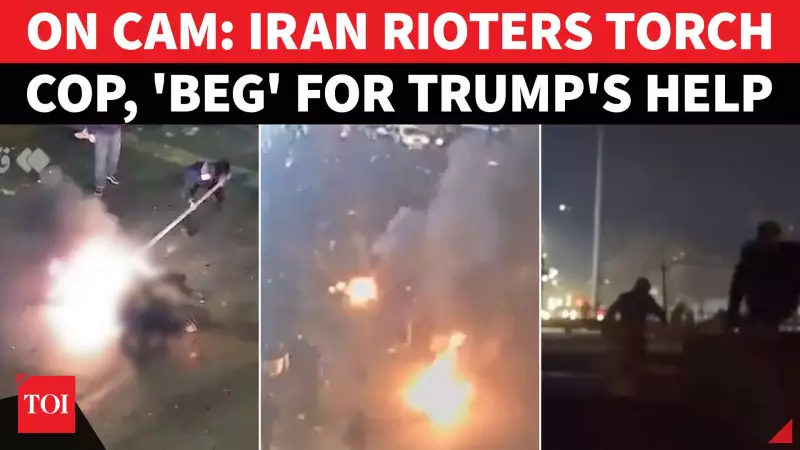
The Iranian government, through Foreign Minister Abbas Araghchi, circulated a graphic video showing a police officer being set on fire by protesters. Tehran is using this clip as evidence to claim that demonstrators have engaged in extreme violence and that foreign intelligence agencies are behind the unrest. Authorities have labeled the protesters as "terrorists," pointing fingers at Israel and the United States for orchestrating the chaos.
In stark contrast, another video emerged from the city of Mashhad, captured despite widespread internet shutdowns. This footage shows terrified citizens pleading for intervention from the United States as sounds of gunfire ring out in the streets. Protesters accuse state security forces of carrying out a massacre, a claim that starkly opposes the government's version of events.

Mounting Human Cost and National Crisis
The protests, which began over economic grievances, have now transformed into a broad anti-regime movement. After 16 days of continuous demonstrations, the human toll is staggering. At least 538 people have been killed and more than 10,000 individuals have been detained by authorities. The capital, Tehran, has experienced power cuts, plunging parts of the city into darkness, while reports indicate bodies are accumulating outside morgues, underscoring the scale of the violence.
International Reactions and Threat of Escalation
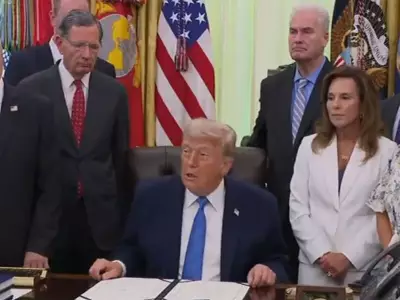
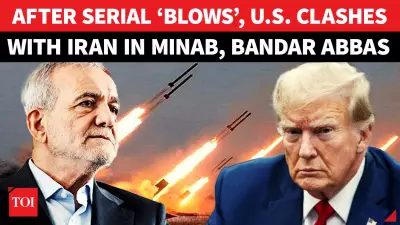
The crisis has rapidly become a geopolitical flashpoint. Washington is monitoring the situation closely. US President Donald Trump has stated that Iran appears to be "crossing a red line" and warned of devastating retaliation. However, in a potentially contradictory signal, there are indications from Tehran that the leadership may be open to negotiations.
This creates a tense standoff where rival narratives, spread through viral social media content, are colliding with the very real threat of military conflict. The world watches as internal strife in Iran threatens to spill over into a larger international confrontation, with the stakes rising by the hour.