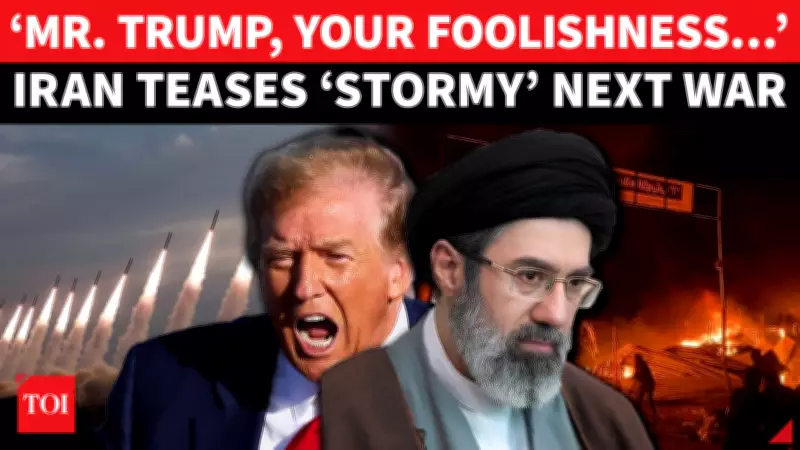
The shadow war between the United States and Iran is poised to become significantly more perilous. Following President Donald Trump's recent warnings that the U.S. is prepared to resume military strikes if backchannel negotiations fail, Tehran has issued its most direct threat yet.
Iran's Blunt Warning
Iranian military spokesman Abolfazl Shekarchi characterized the American military as a 'decayed army' and cautioned Trump that any further 'foolishness' will be met with 'crushing, stormy, and surprising scenarios.' This rhetoric signals Iran's readiness to escalate the conflict beyond the scope of the previous 40-day war.
Targeting Every U.S. Base
Iran is signaling that the next phase of confrontation will not merely replicate past engagements. Instead, it will target every U.S. military base in the region. The threat implies a comprehensive and coordinated assault designed to inflict maximum damage on American forces stationed across the Middle East.

Background of Tensions
The exchange comes amid heightened tensions between Washington and Tehran. Trump's administration has repeatedly warned of military action if diplomatic efforts fail, while Iran has consistently vowed to defend its sovereignty and retaliate against any aggression. The latest statements indicate that both sides are preparing for a potential escalation.
Analysts suggest that Iran's threats are intended to deter the U.S. from launching strikes by highlighting the costly repercussions. The mention of 'stormy scenarios' suggests unpredictable and overwhelming retaliation that could involve asymmetric tactics, including missile attacks, drone strikes, or proxy forces.
Regional Implications
The standoff has broader implications for the Middle East. U.S. allies in the region, including Israel and Gulf states, are closely monitoring the situation. Any military confrontation could destabilize the region further, impacting global oil prices and security dynamics.
Iran's warning also comes amid reports of secret communications between the U.S. and Iran via intermediaries. The failure of these backchannel talks appears to have prompted Trump's threat of resumed strikes, which in turn triggered Iran's aggressive response.
What's Next?
As the rhetoric intensifies, the international community is urging restraint. The United Nations and European powers have called for de-escalation, but both sides remain entrenched. The coming weeks could determine whether the shadow war erupts into open conflict or if diplomatic channels can still prevent a catastrophic confrontation.
For now, the world watches as Iran and the U.S. brace for a potential storm.